Bulk Landscape Materials, Sorted by Size and Grading
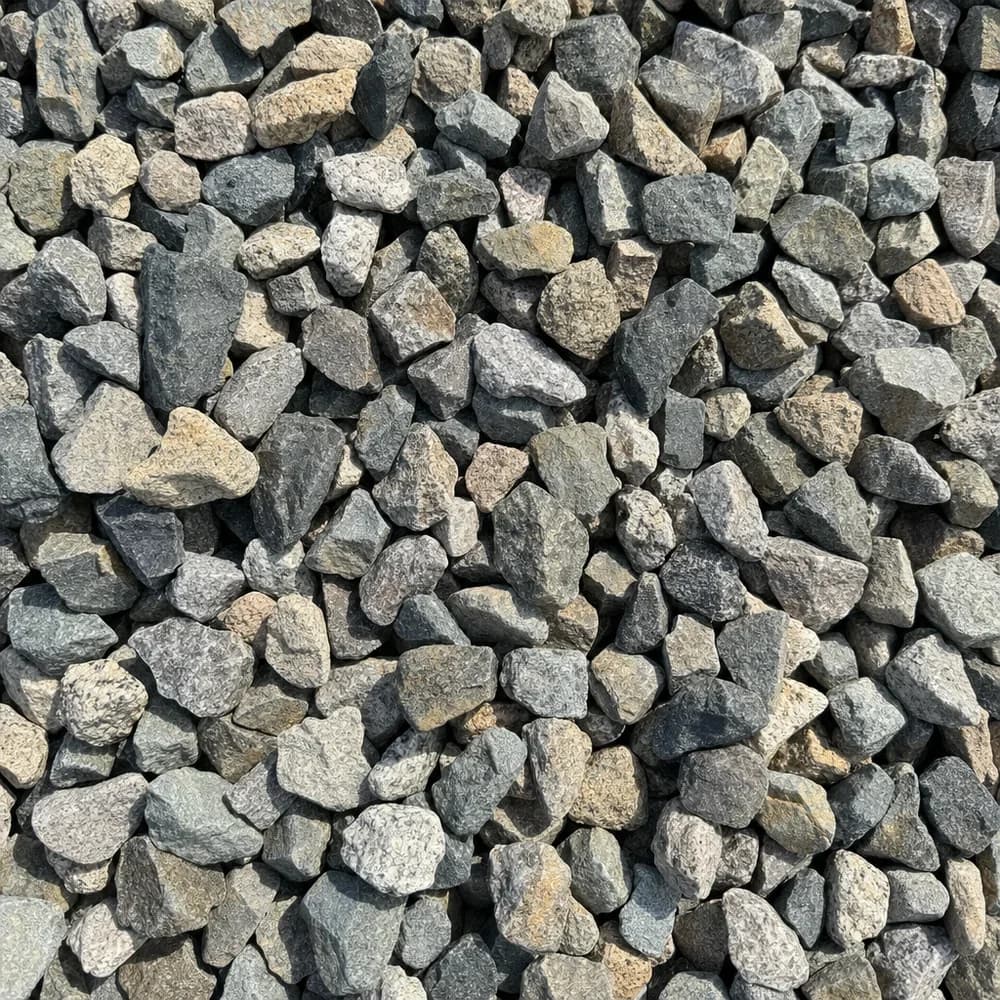
3/4" Crushed Stone
In California base and drainage work, 3/4" Crushed Stone fits beneath driveways, patios, and non-combustible ground cover near structures. Size: Approximately 3/4 inch. Type: Angular crushed stone.
Free Delivery
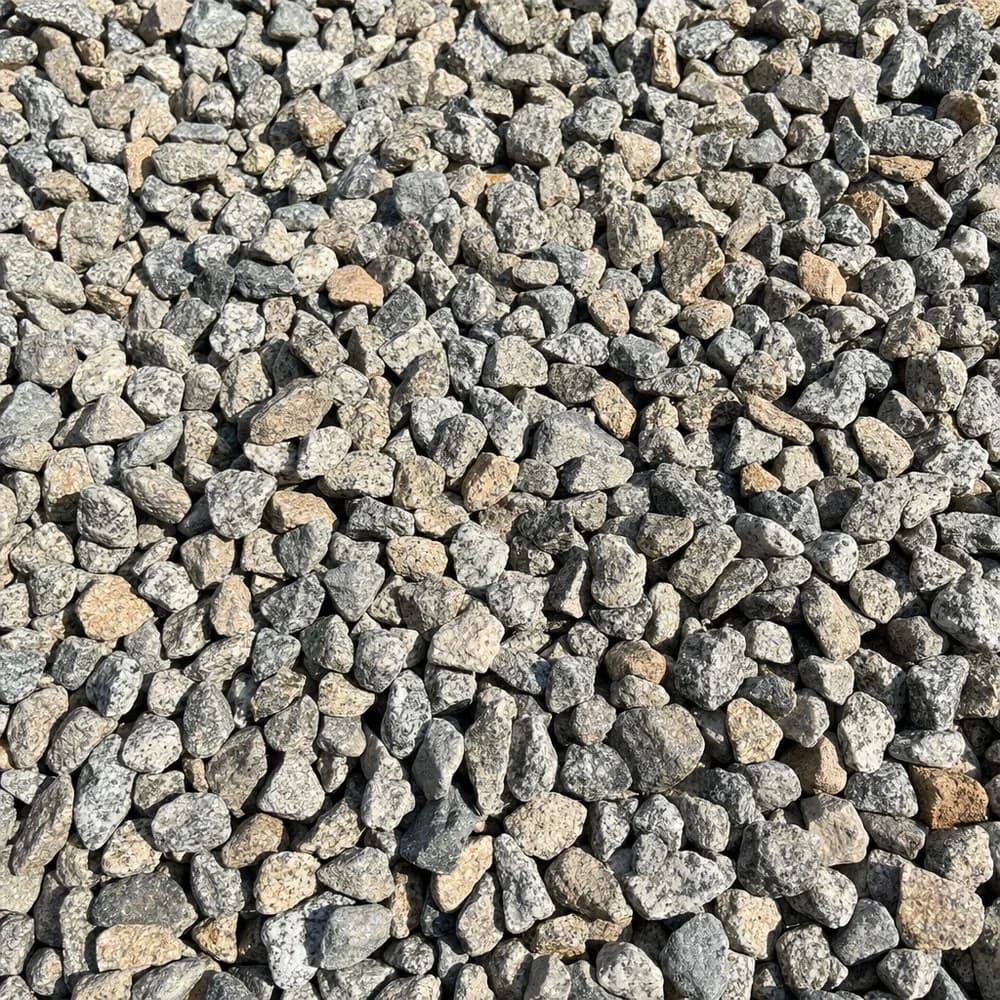
3/8" Crushed Stone
3/8" Crushed Stone wears into a neat, even surface for California paths, patios, and prepared driveways, with a smoother feel underfoot. Size: Approximately 3/8 inch. Type: Angular crushed stone.
Free Delivery
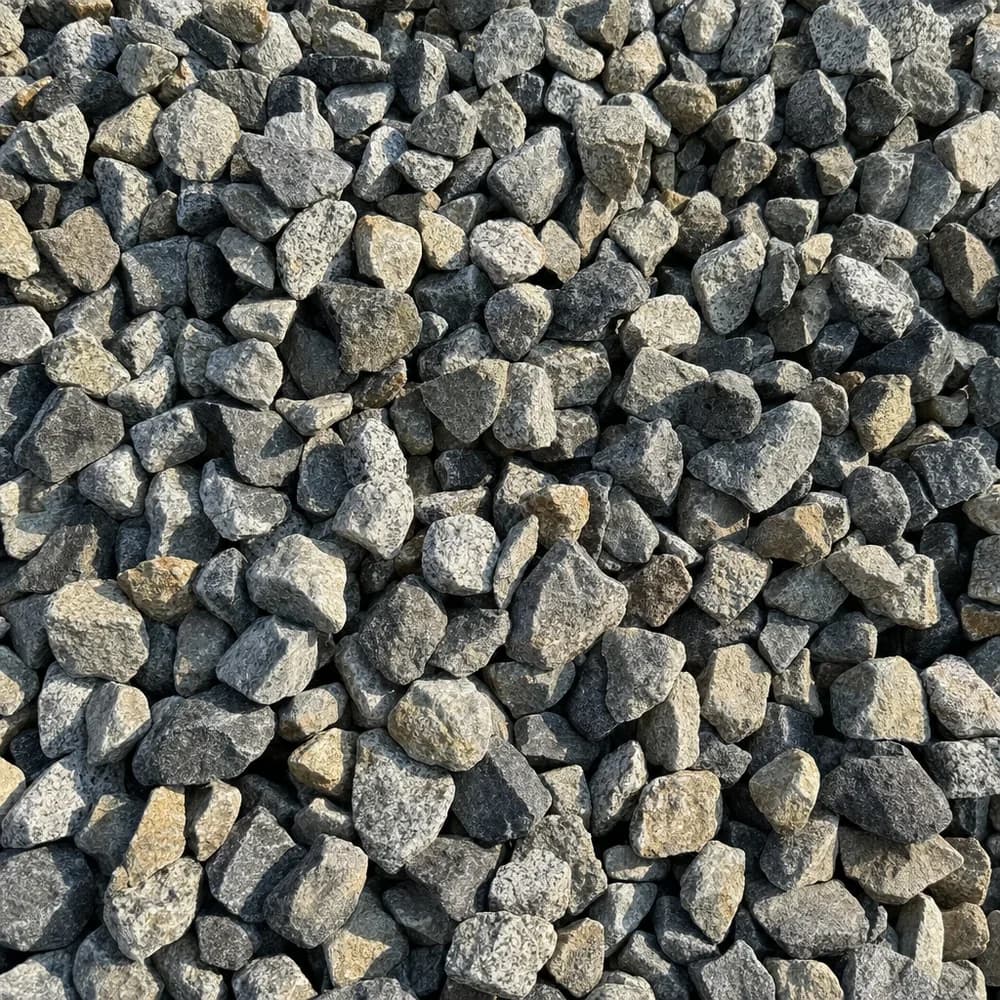
3/4" Drain Rock
Once spread through a California drainage swale, 3/4" Drain Rock leaves open spaces for wet-season water movement. Size: 3/16 inch to 1 inch. Grading: #57. Type: Angular crushed rock.
Free Delivery
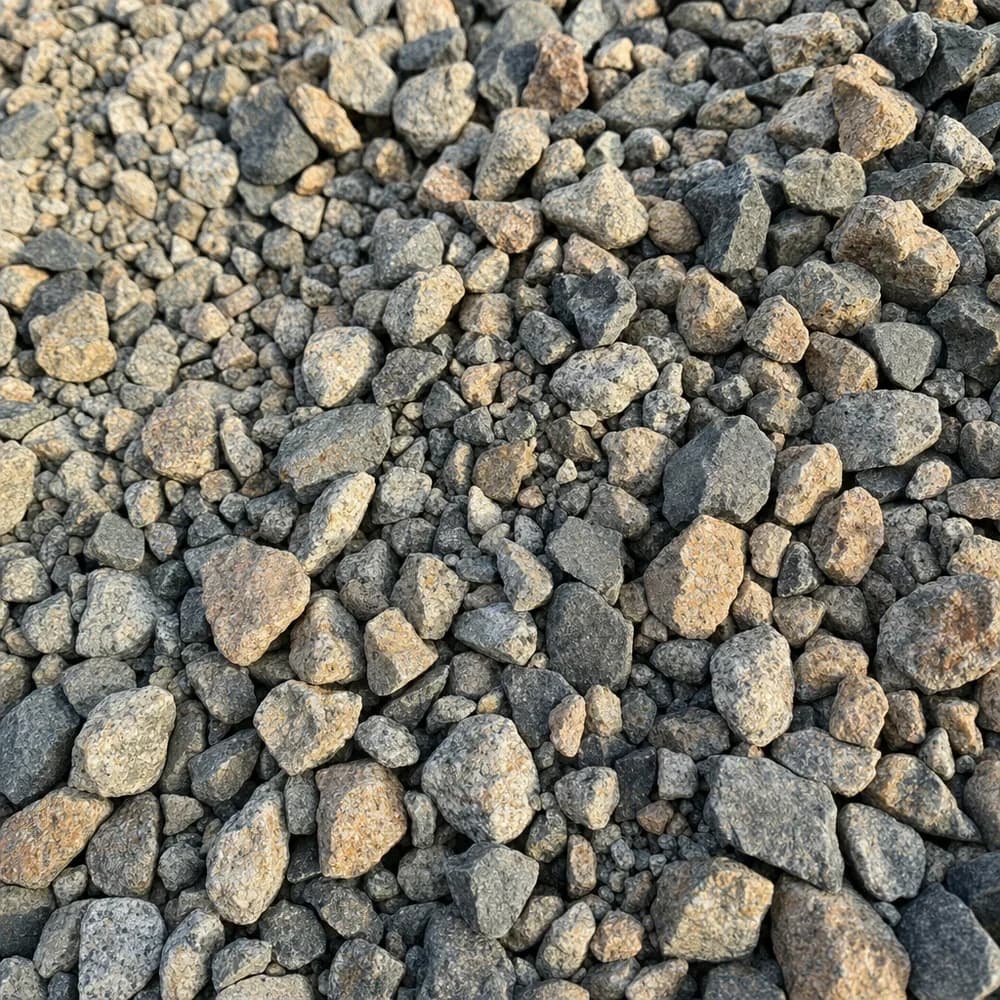
#67 Stone
For a California drainage swale or non-combustible ground cover near a structure, #67 Stone supplies angular crushed material with a clean appearance. Size: 1/4 inch to 3/4 inch. Grading: #67. Type: Angular crushed stone.
Free Delivery
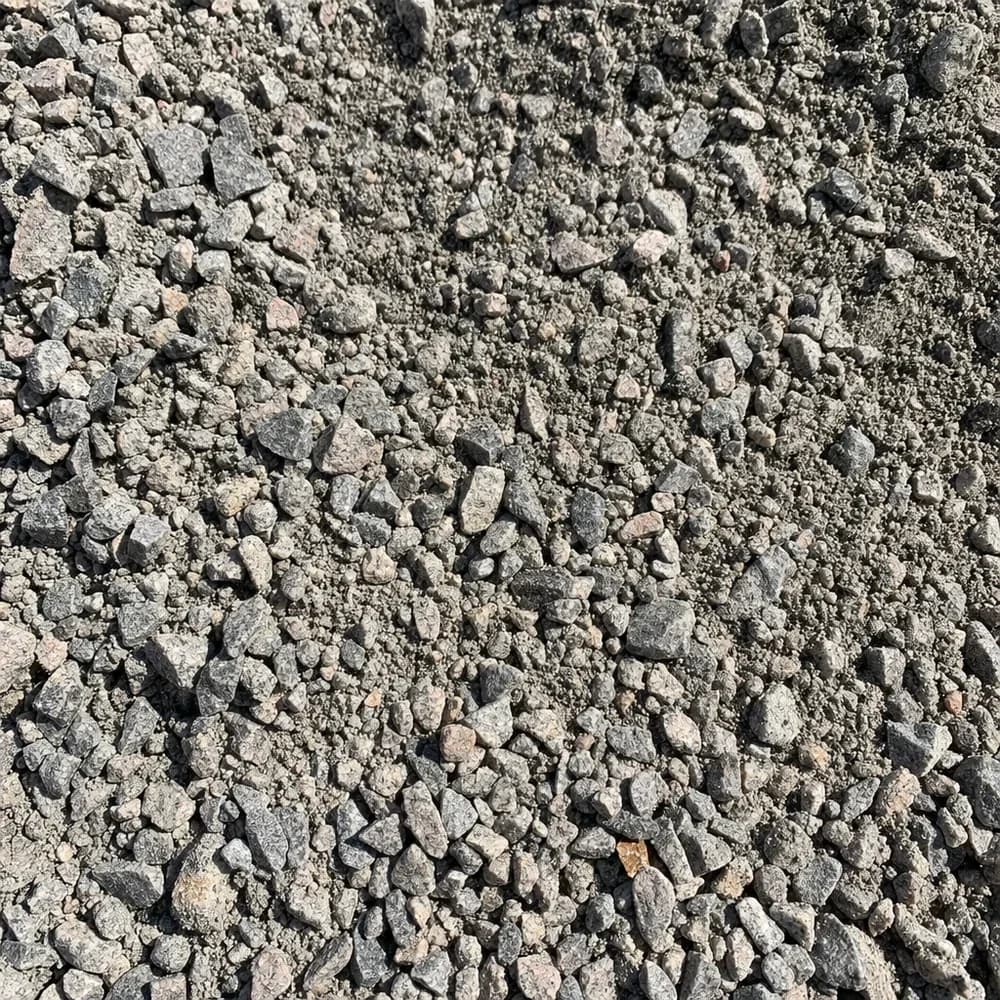
Decomposed Granite
Set Decomposed Granite over prepared support, not directly on loose ground, for California paths and hardscape finish work. Size: 1/4 inch minus. Grading: Stone dust and fine particles. Type: Angular crushed stone.
Free Delivery
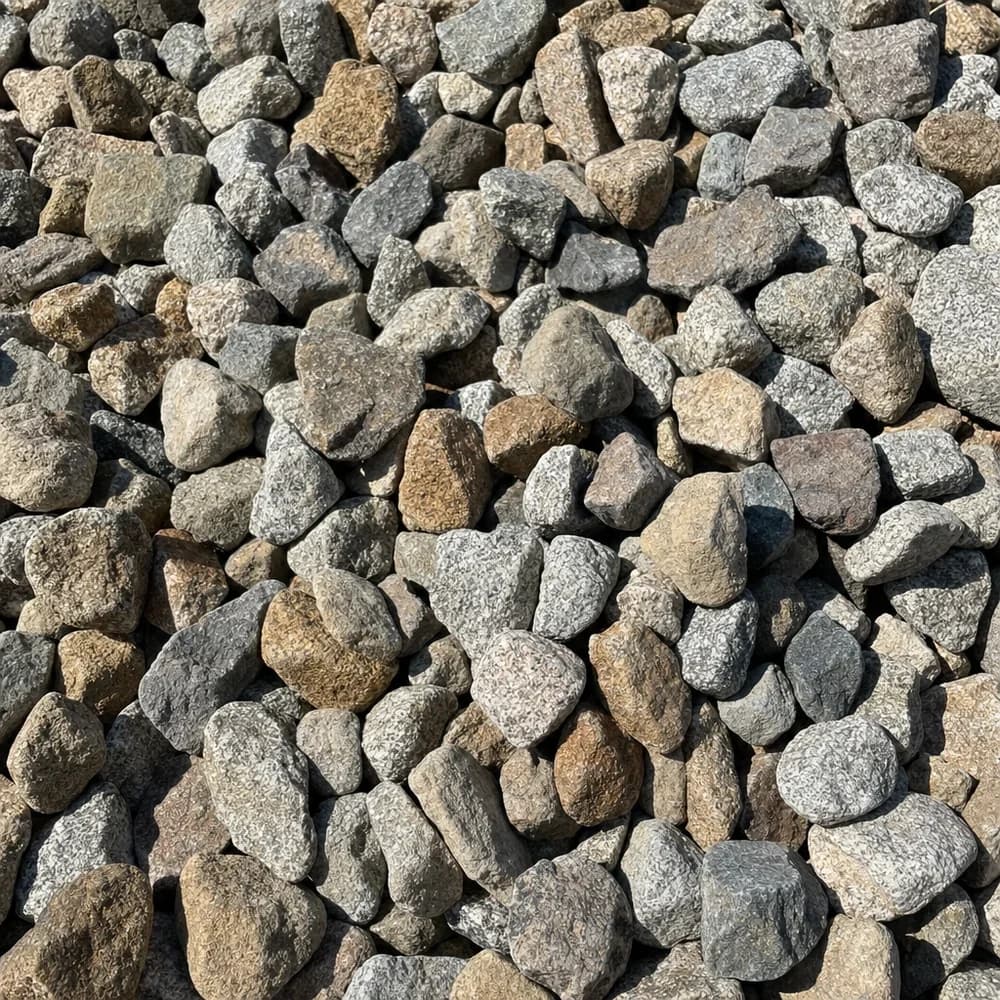
Drain Rock
After wet-season water reaches a California swale or retaining wall, Drain Rock keeps an open route through the drainage portion. Size: 3/4 inch to 1-1/2 inch. Grading: Washed to remove fines and dust. Type: Rounded or angular varieties.
Free Delivery
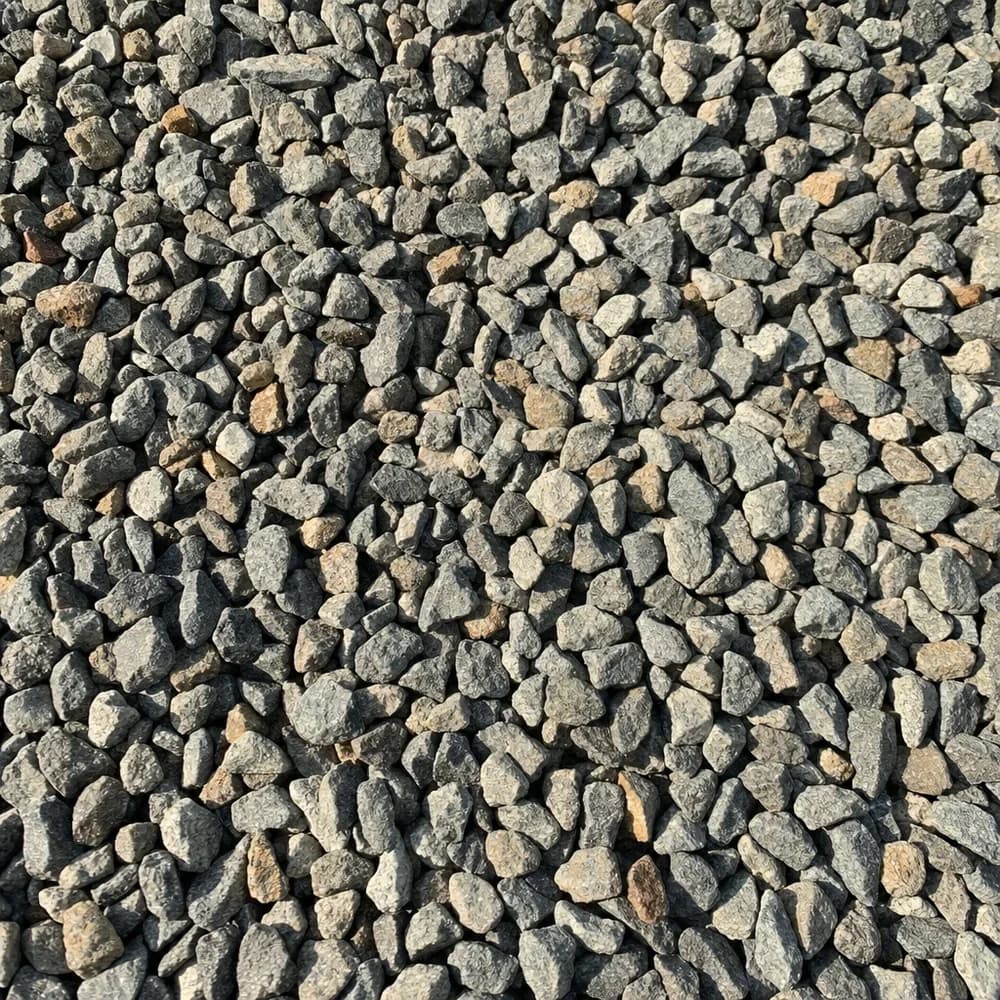
#89 Crushed Stone
Wet-season rain in California calls for #89 Crushed Stone where compacted fill is needed in paver joints, flagstone bedding, chip-seal work, or concrete. Size: About 3/8 inch down to fines. Grading: #89, carries some fines. Type: Angular crushed stone.
Free Delivery
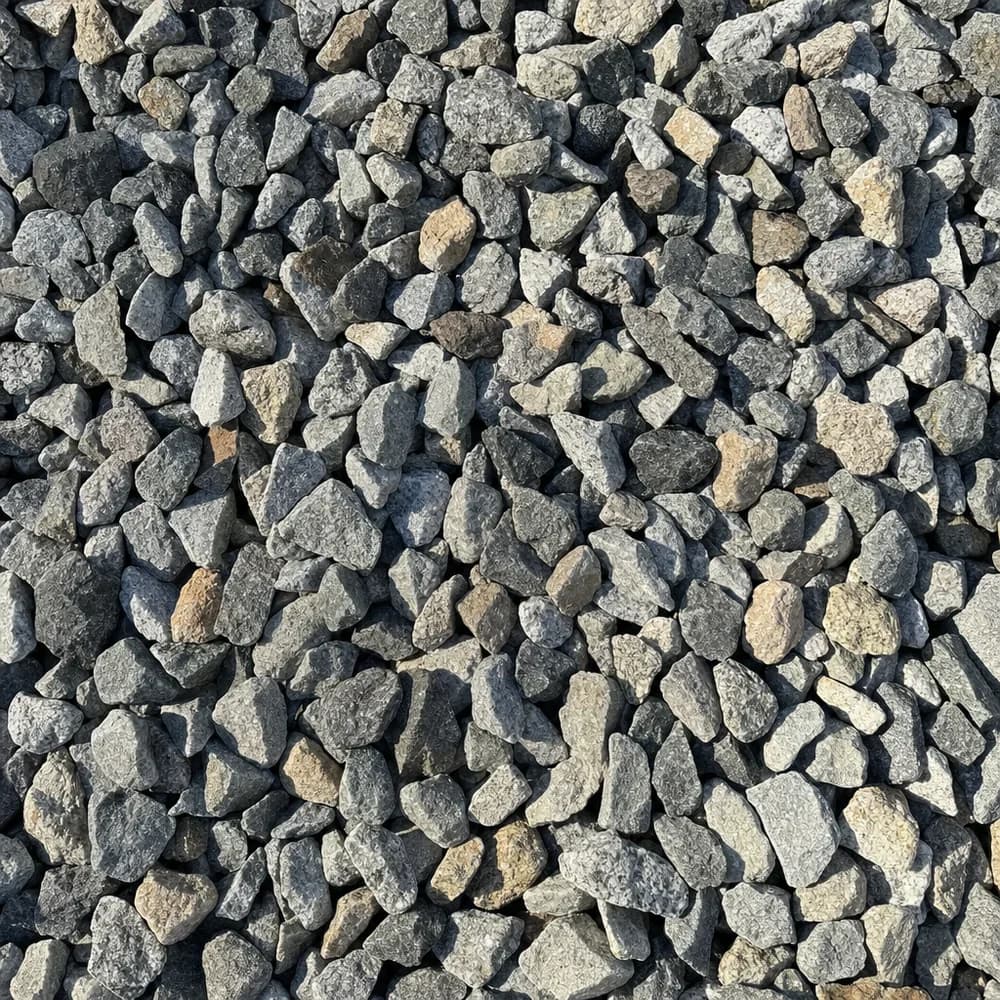
#8 Crushed Stone
Poor drainage at a California paver area can leave wet-season water where it does not belong. #8 Crushed Stone supports drainage details, pavers, and concrete. Size: About 3/32 inch to 3/8 inch. Grading: #8, clean with little to no fines. Type: Crushed stone.
Free Delivery
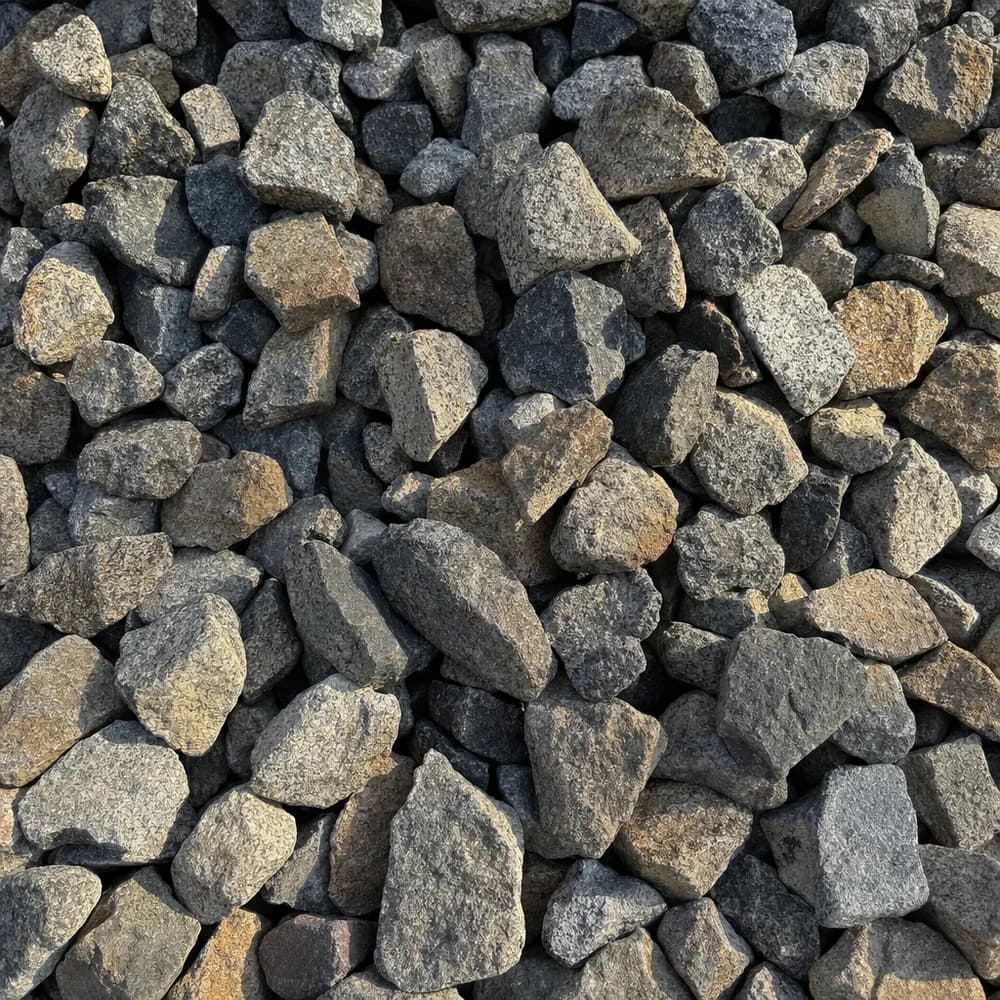
#4 Crushed Stone
In California wet-season drainage work, #4 Crushed Stone helps form an open layer below driveways and other heavy-use areas. Size: About 3/4 inch to 1-1/2 inches. Grading: #4. Type: Angular crushed stone.
Free Delivery
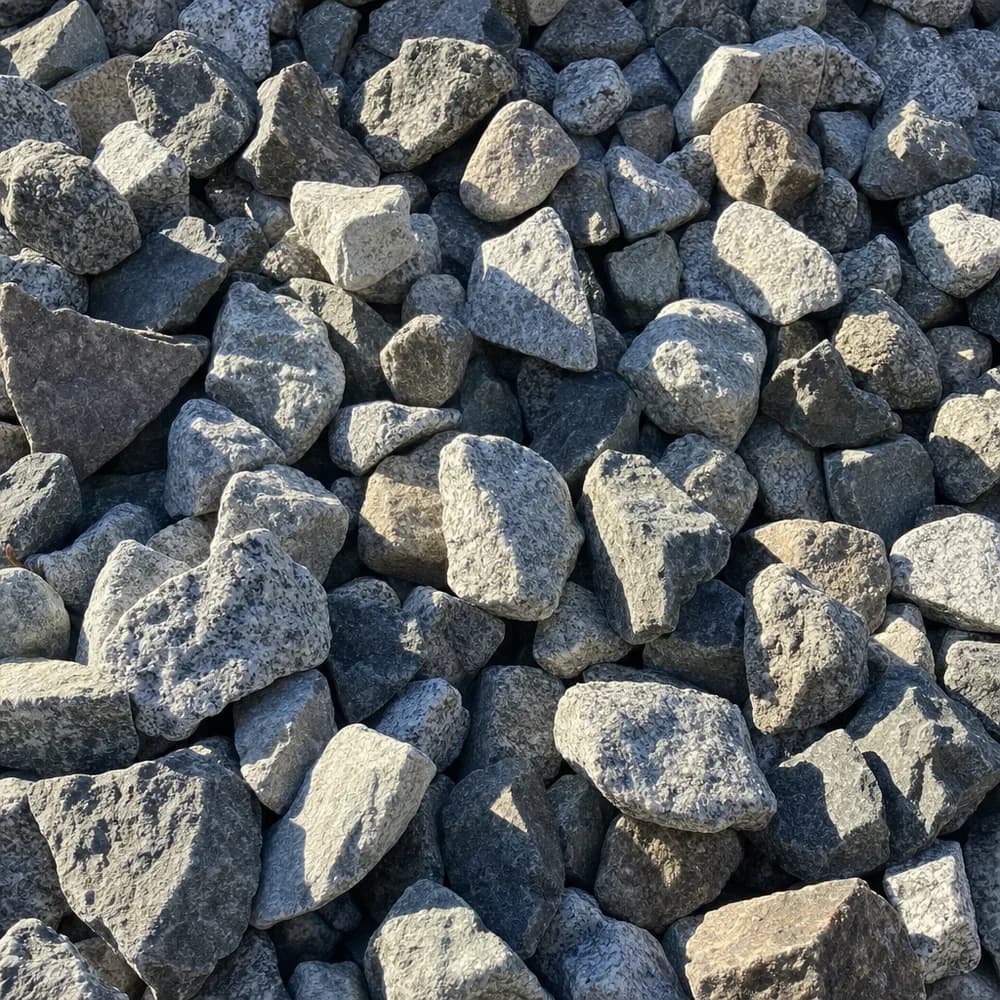
Railroad Ballast
During California's wet season, Railroad Ballast provides a load-bearing, open stone foundation for work roads and equipment pads. Size: Roughly 1 inch to 2.5 inches. Grading: Graded to interlock under load while draining freely. Type: Large angular crushed stone.
Free Delivery
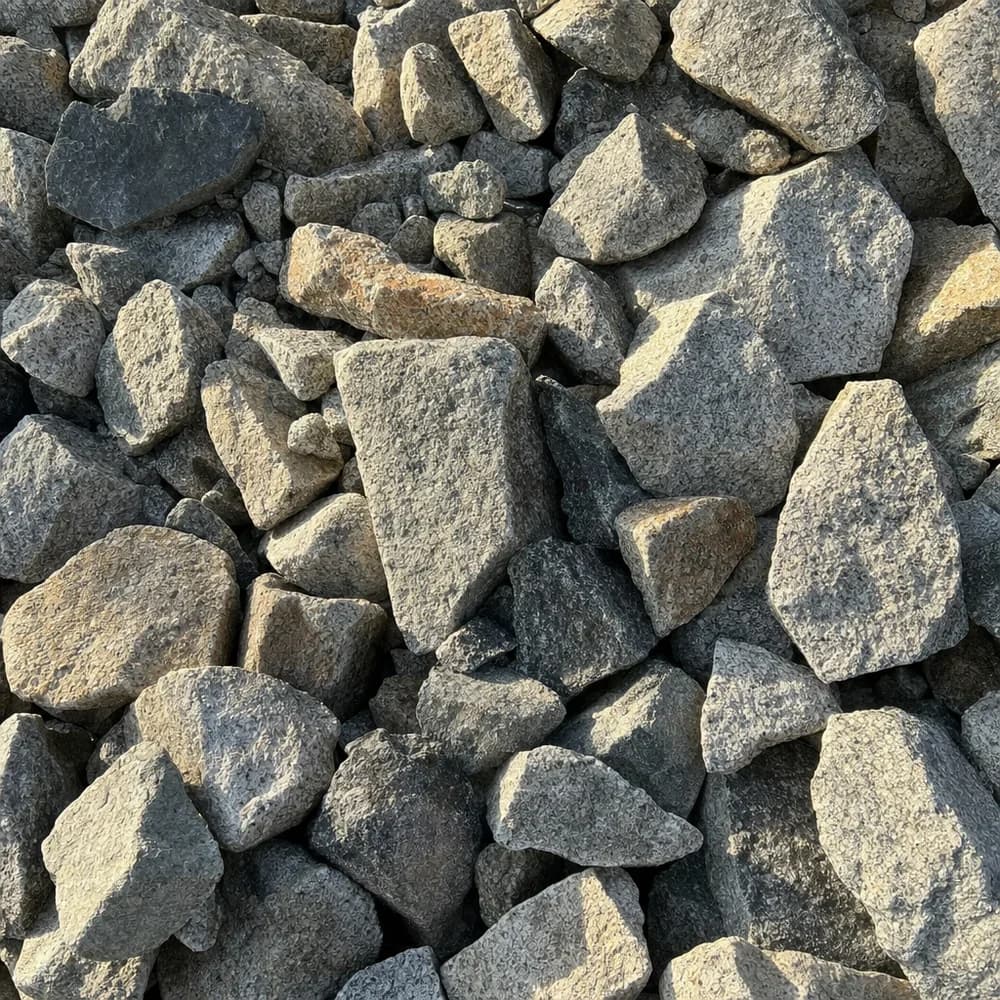
RipRap
Put RipRap at the exposed edge of a California drainage feature when wet-season flow could cut into soil. The heavy stone protects that route. Size: 4 inches to 12 inches and up. Type: Large, heavy stone.
Free Delivery
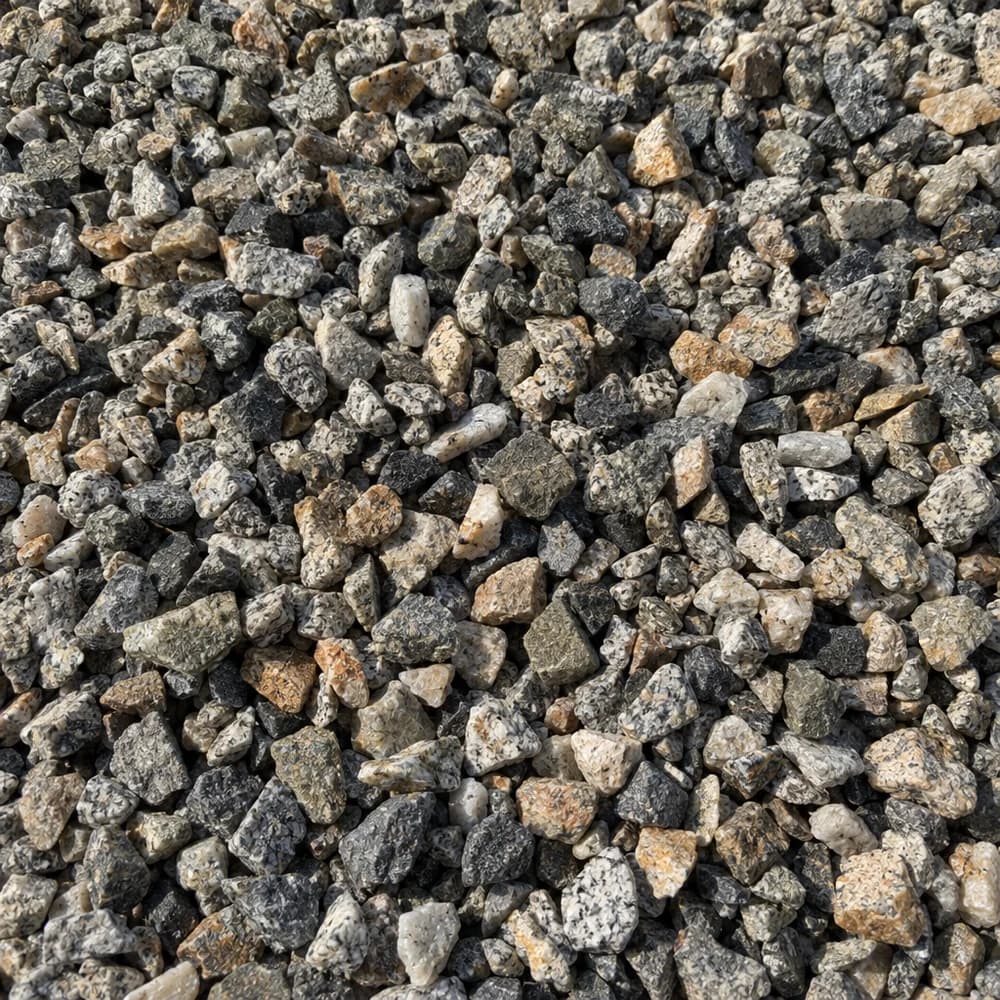
#78 Crushed Stone
California patio and swale projects can drain poorly when fines close the bedding layer; #78 Crushed Stone keeps that course open. Size: About 1/8 inch to 1/2 inch. Grading: #78, washed with little to no fines. Type: Angular crushed stone. Supplied as: #78 or the closest local equivalent; we confirm the exact material before delivery.
Free Delivery
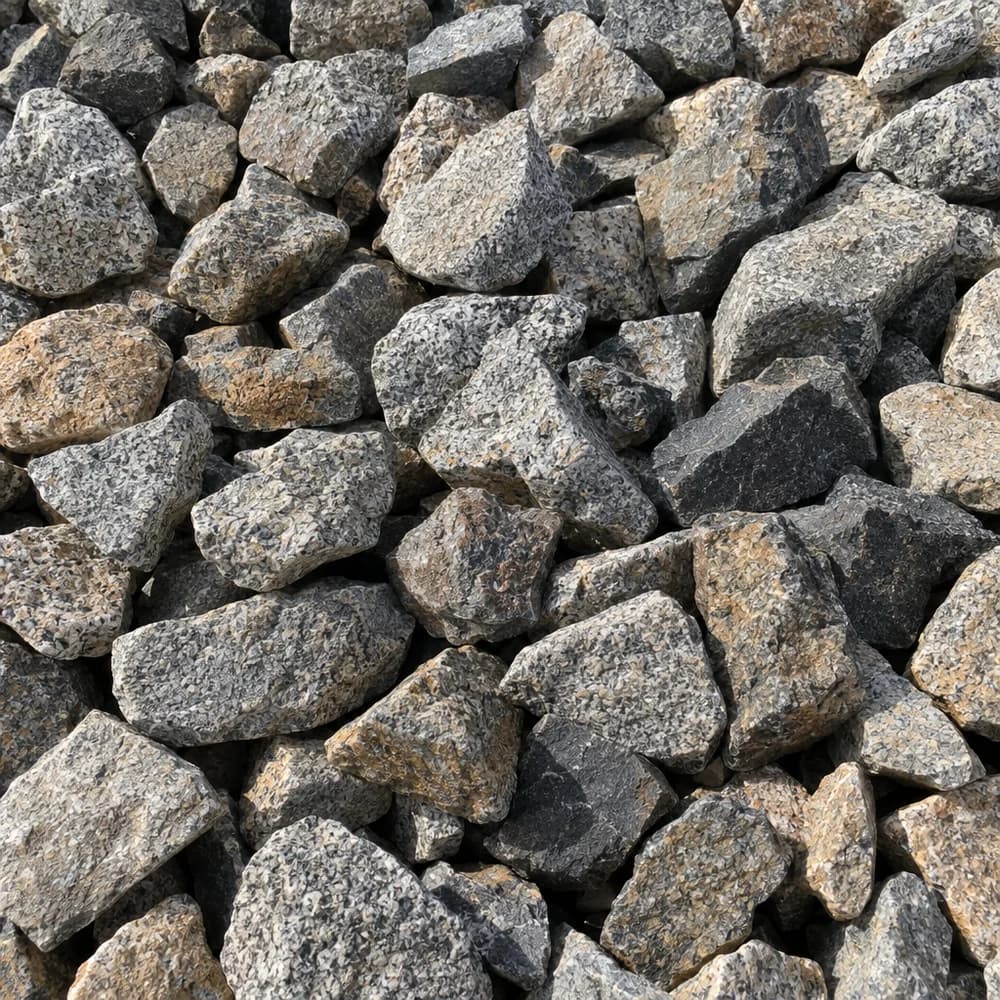
#2 Crushed Stone
Set #2 Crushed Stone around California structures where non-combustible ground cover and wet-season drainage are both part of the plan. Size: About 1-1/2 inches to 2-1/2 inches. Grading: #2, washed with no fines. Type: Large angular crushed stone. Supplied as: #2 or the closest local equivalent; we confirm the exact material before delivery.
Free Delivery
Bulk landscape materials get picked by name or by color, and that is the costly mistake on this page. Two piles can look nearly identical in a photograph and behave in opposite ways once a winter storm runs over them, because the things that matter are the size of the stone and whether the material carries fines. Fines bind and compact. No fines means water moves through. Work down the ladder below and the choice usually makes itself.
Stone heavy enough to stay put in a storm channel
At the top of the ladder is RipRap, 4 inches and up, for the exposed edge of a swale, a culvert outlet or a creek bank where runoff is cutting into soil. Railroad Ballast, roughly 1 to 2.5 inches, interlocks under load while draining freely, which suits a work road or an equipment pad. #4 Crushed Stone at about 3/4 to 1-1/2 inches forms an open layer under a heavy-use drive or in the bottom of a wet trench.
Clean crushed rock, sized for drainage rather than compaction
These have the fines washed out, so they never lock up and water always has a route. Drain Rock at 3/4 to 1-1/2 inch handles French drains, drywells and the backfill behind a retaining wall. #57 Stone, sold here as 3/4" Drain Rock, is the standard trench and drainage-layer stone. #67 Stone covers the same work a size smaller, at 1/4 to 3/4 inch. 3/4" Crushed Stone is the angular option for drainage beds and construction entrances, and 3/8" Crushed Stone steps down for pipe bedding and fine drainage. Smaller again, #8 Crushed Stone and #89 Crushed Stone fill paver joints and bed flagstone.
The materials with fines in them, which is why they compact
Class 2 Base is the 1 inch minus graded blend that goes under drives, pads, pavers and slabs, and it is the material the local specification calls for by that name. The class number describes how the material is graded and specified locally, not something certified with the load. Crusher Run at 3/4 inch minus does similar work with a binding layer of stone dust. Decomposed Granite, the 1/4 inch minus screening sold here under that name, packs into the firm path and patio surface that suits a low-water garden, and belongs over a prepared base rather than on loose ground. Driveway Gravel at 3/4 inch and Walkway Gravel at 3/8 inch are the graded wearing courses that go on top.
Rounded stone for beds, borders and dry creek beds
Nothing here compacts, and none of it is meant to. River Cobble at 1 to 3 inches holds its shape and color through the dry season and the wet one. Large River Rock at 2 to 4 inches gives a swale or a dry creek bed some visual weight and slows water crossing it. Pea Gravel, about 3/8 inch, is the smooth, walkable option for patios, paths and play areas.
Sand, soil and the finishing layer on a bed
Mason Sand is the ultra-fine washed sand for paver bedding, mortar and play surfaces. Washed Sand is coarser, for concrete work, backfill and leveling. On the growing side, Top Soil is screened and balanced for lawns and beds, Garden Soil is compost-enriched for planters and raised beds, and Fill Dirt is the clean compactable earth for lifting a low spot before any of that happens. Shredded Mulch finishes beds in a 2 to 4 inch layer and holds moisture through the dry months.
Sizing bulk landscape materials before the order goes in
Size the job with the calculators before ordering, since depth changes the tonnage more than most people expect, then choose the quantity and a delivery date on the product page.
Common questions
How do I tell a drainage stone from a base material on this page?
Read the grading line. Anything described as washed or clean, such as drain rock or the #57 grading, has had the fines removed and lets water through. Anything described as a graded mix with fines, dust or a minus size, such as Class 2 base or crusher run, is made to compact and will silt up a drain.
Are top soil, garden soil and fill dirt three names for the same product?
No. Fill dirt has minimal organic matter and is meant to be compacted while raising grade. Top soil is screened and balanced for the upper 4 to 6 inches of a lawn or bed. Garden soil is enriched with compost for planters and raised beds, where it stays put rather than being spread thin.
We order for jobs rather than for a house. Is there a different catalogue?
It is the same catalogue and the same ordering path. Size each layer separately, order them as separate lines so the tonnages stay clear, and give the site ZIP at checkout rather than the office one.
Does compaction change how much of a base material I should order?
It changes the depth you enter, not the arithmetic. Enter the finished compacted thickness and leave the calculator's allowance for compaction and spillage ticked, as it is by default (5 percent, or 10 percent on the dirt, crusher run, road base and paver base calculators). On soft ground or a deep section built in lifts, round the measurements up rather than inflating the depth figure.