#67 Stone for Drains, Trenches and Wall Backfill
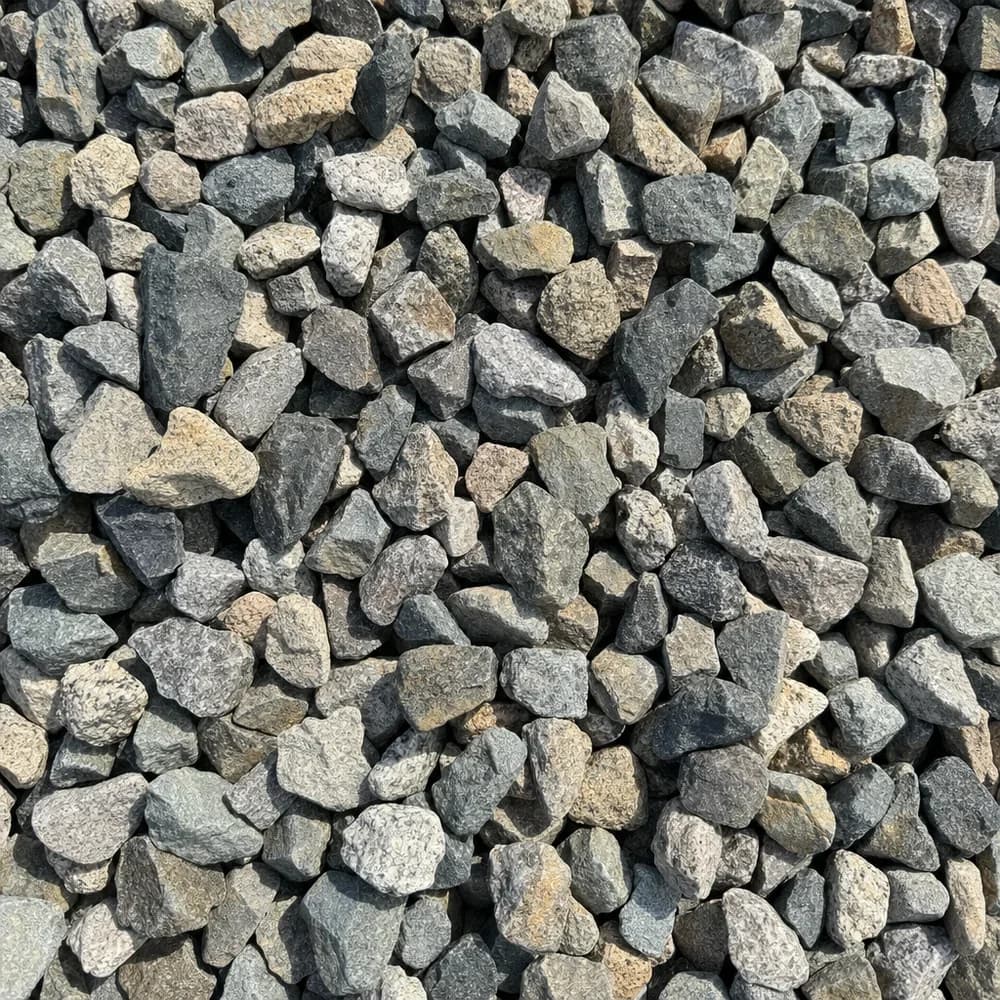
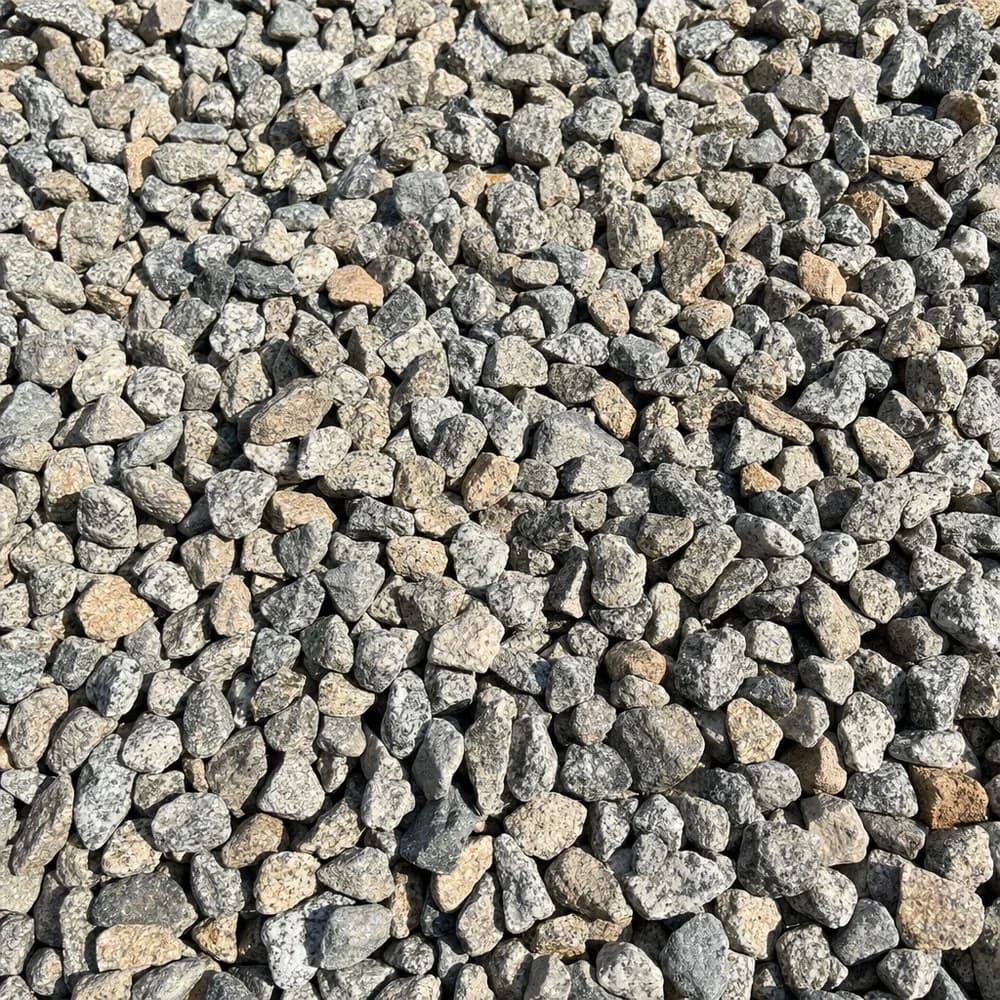
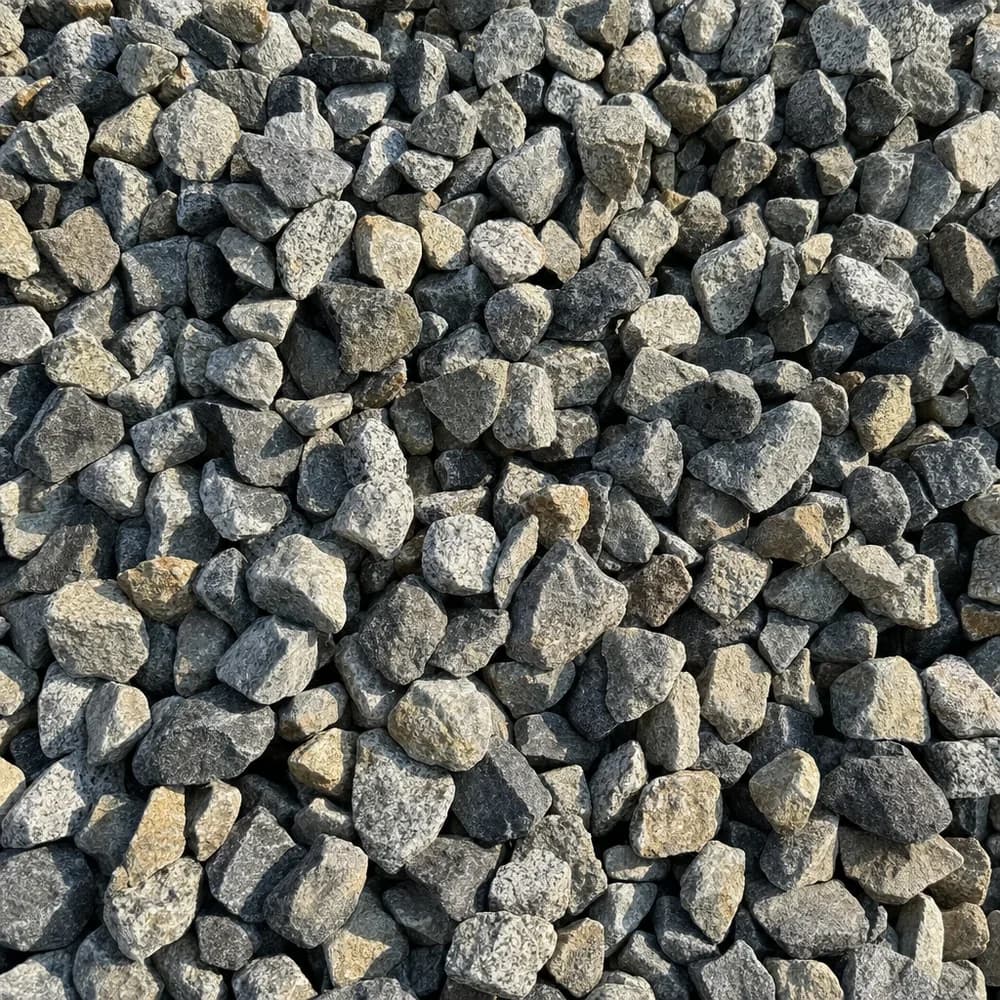
For a California drainage swale or non-combustible ground cover near a structure, #67 Stone supplies angular crushed material with a clean appearance.
- Size: 1/4 inch to 3/4 inch
- Grading: #67
- Type: Angular crushed stone
From $511 for 1 ton, delivery included (larger loads cost significantly less per ton)
Free delivery included
Free delivery anywhere in California
Pick a delivery date
Weekday delivery, earliest Oct 29
“This was a good size for refreshing a compacted driveway. It spread evenly and held its place after regular trips in and out. The result at my place in Fresno, CA looks finished and has held up well.”
Logan H. · Verified Buyer
Get a Free Quote
Fill out the form and our sales team will get back to you within the hour.
Size and Grading
- Size
- 1/4 inch to 3/4 inch
- Grading
- #67
- Type
- Angular crushed stone
There is a narrow stretch of the year when drainage work is both still possible and suddenly urgent. The ground has dried enough through late summer that a trench holds its walls and a mini excavator is not sinking, and the first atmospheric river is close enough to concentrate the mind. Almost every order of #67 stone is placed inside that window, because this is the material that fills a trench, sits around a pipe or stands behind a wall, and none of that can be retrofitted once the rain has started.
#67 stone against 3/4 inch drain rock and #8: what the middle range buys
The stone runs 1/4 inch to 3/4 inch in a #67 grading, crushed so every piece is angular, and washed so the small material that would fill the gaps is gone. What that leaves is an open structure: continuous voids between the pieces that water can travel along.
Against 3/4" Drain Rock, which is the coarser #57 grading, the difference is the bottom of the range. #67 carries pieces down to a quarter inch, so the voids are smaller and more numerous. That makes it easier to work into a narrow trench and around the haunches of a pipe, and it gives a tidier surface where the stone stays visible. The coarser grading moves more water per foot of trench and is the usual pick for a deep curtain drain or a tall wall column.
Against #8 Crushed Stone at 3/32 to 3/8 inch, this one is the coarser of the two and the more general-purpose. The #8 is the size a permeable paver build specifies; #67 is the size a French drain, an infiltration trench and a concrete mix will all take.
The material it is most often confused with is not a stone at all. If the layer needs to firm up underfoot and hold a shape, it wants fines in it and the job belongs to Class 2 Base. Washed stone will never do that, by design.
Backfilling a wall before the first storm, and where a pond edge defeats it
A retaining wall is the clearest seasonal case, taking a garden wall as an example. Through the wet months, water collecting in the soil behind a wall pushes against it, and a column of washed stone running up behind the wall gives that water somewhere to collect and a route to the outlet at the base. Built in September it works quietly for years. Left until January it cannot be built at all, because the ground behind the wall is saturated and the excavation is unsafe.
A pond or shoreline edge is where the same material stops working. Stone at a water's edge has to resist being picked up, and at 3/4 inch and under it will not. A rising level or a season of storm runoff along the bank sorts it out and moves it, usually into the water. That position wants stone heavy enough to stay put, which is RipRap or a large cobble.
A construction entrance is the second poor fit. The entrance works by being coarse enough that a tire flexes over it and drops its mud; stone this size simply embeds and gets carried onto the road. #4 Crushed Stone is what that job calls for.
French drains, infiltration trenches and the pipe that sits in them
The core jobs are all variations on one idea: keep the stone in the part of the system where water is meant to be moving. In a French drain the perforated pipe sits low in the trench with stone bedded under it and carried up around and over it, so surface water reaching the trench can get down to the pipe. In an infiltration trench there may be no pipe at all, and the stone voids are simply storage that lets a storm's worth of water soak away slowly into the ground beneath. Both build the same way, and both live or die on one detail: filter fabric, lapped over the top, so the soil around the trench cannot wash into the voids.
Utility bedding is the third job. Water, sewer and irrigation lines get a bed of this stone under them and backfill around the haunches, because the even sizing supports a round pipe on all sides instead of point-loading it on a rock, and it lets water drain away from the line. The fourth is concrete. Its smaller top size gives a mix that places and finishes to a finer surface than a coarse aggregate does, which is why it turns up on decorative and exposed concrete work.
Left visible as a ground cover in a bed or a tree ring, the even sizing and angular texture give a neat, consistent look. Be aware it is loose to walk on and it will migrate at an unedged boundary.
Trench width, depth and a year's rain arriving in four storms
Size the system for the day the gutters overflow rather than for an average week, because that is the rainfall pattern here. A perimeter drain is dug deep enough to sit below whatever you are trying to keep dry, with the stone carried up the trench so surface water can reach it rather than stopped a foot down under a soil cap. A wall column runs from the footing drain up towards grade and is sealed at the top so soil does not wash down into it.
Where the stone is the visible layer rather than a buried one, the site's measuring guide treats landscape depths at around 2 inches and vehicle areas at 4. And on clay or hardpan, an infiltration trench is only as good as the ground it drains into. Test how fast a hole actually empties before you commit to a soakaway on ground that stops water a few feet down.
A 38 foot wall column and a 24 foot infiltration trench
Take a retaining wall as an example, 38 feet long, with a stone column a foot wide running 4 feet up the back of it. That is 38 multiplied by 1 by 4, which is 152 cubic feet, and 152 divided by 27 is 5.6 cubic yards.
Say the outlet runs to an infiltration trench 24 feet long, 2 feet wide and 2 feet deep. That is 96 cubic feet, which is 3.6 cubic yards. The two together come to 9.2 cubic yards, or about 9.7 with the 5 percent the stone calculator adds by default. A 4 inch pipe running the length of the trench displaces only a small fraction of a yard, so it barely moves the figure. At the roughly 2,800 lb per cubic yard this site publishes for #67 stone, about 1.4 tons per yard, those 9.2 yards come to approximately 12.9 tons, or near 13.6 tons with the allowance.
Orders are placed in tons, so the stone calculator converts those volumes using the density it holds for this material. The arithmetic above is what tells you when a result has come out wrong by a factor rather than a few percent.
Booking stone into the last dry weeks
Quantity and a delivery date are set on this page, and delivery is arranged at checkout from your ZIP code. Drainage work has a real deadline attached to it, so the sequence worth holding to is: dig, line the trench with fabric, then take delivery. Washed stone dropped on a slope rolls, so pick a flat, firm tipping spot with clear overhead access and board off the downhill side if there is any fall to it. If you are unsure whether this grading or the coarser one suits your trench, send the dimensions through the contact page before you order.
Quickly Calculate How Much You Need
Material: #67 Stone
How to Measure
Measure the length and width of your project area in feet
Decide on depth in inches (2" for landscaping, 4" for driveways)
Enter the values above and we'll calculate the tonnage you need
Need help figuring out the right amount? We can help!
Call or text us at (213) 566-1318 and we'll help you calculate the right quantity for your project.
Not sure how much you need? The Stone Calculator has depth guides, coverage charts and worked examples for this material.
Frequently Asked Questions About #67 Stone
Customer Reviews
Ordered stone from them and it was painless, the driver was friendly and careful about where he placed it.
Rachel E. · San Jose, CA · Verified Buyer
Ordered stone from California Rock Supply and it showed up right on time. The free delivery was a huge plus, and the stone was just what I ordered. Super happy with the whole thing and I'd definitely use them again.
Rob D. · San Diego, CA · Verified Buyer
Had stone delivered by this company and the driver was really friendly, even took care to place it right where I needed. Price felt fair too, definitely a good value.
Mark L. · Long Beach, CA · Verified Buyer
Got stone delivered by the team and everything went really smoothly. Price felt fair for what I got, and the stone looked great. I'd definitely order from the team again.
Greg J. · Los Angeles, CA · Verified Buyer
Exactly What I Needed
California Rock Supply was helpful throughout the order. The #67 stone was a great fit for the job. I appreciated the clear communication and friendly service.
Debbie H. · San Jose, CA · Verified Buyer
Reliable driveway refresh
This was a good size for refreshing a compacted driveway. It spread evenly and held its place after regular trips in and out. The result at my place in Fresno, CA looks finished and has held up well.
Logan H. · San Jose, CA · Verified Buyer
#67 Stone has 6 verified customer reviews with an average rating of 4.8 out of 5.
#67 Stone delivery across California
- Los Angeles
- San Diego
- San Jose
- San Francisco
- Fresno
- Sacramento
- Long Beach
- Oakland
- Bakersfield
- Anaheim
- Stockton
- Riverside