Garden Soil for Raised Beds, Borders and Planters
A new California vegetable bed or raised planter calls for a prepared growing medium. Garden Soil is compost-enriched material made for planting.
- Size: Nutrient-enriched soil blend
- Grading: Enhanced with organic compost
From $538 for 1 ton, delivery included (larger loads cost significantly less per ton)
Free delivery included
Free delivery anywhere in California
Pick a delivery date
Weekday delivery, earliest Oct 29
“Got garden soil from California Rock Supply and ordering was painless. They kept me updated the whole time, and I'm really happy with how it all went.”
Angela C. · Verified Buyer
Get a Free Quote
Fill out the form and our sales team will get back to you within the hour.
Size and Grading
- Size
- Nutrient-enriched soil blend
- Grading
- Enhanced with organic compost
Two windows in the year account for most of these orders, and both of them are short. Beds get filled in spring before summer crops go in, and again in the weeks after the first rains soften the ground, when winter vegetables and cool-season planting start. Between those, a bed filled in the middle of a hot, dry stretch loses moisture faster than a new planting can cope with, and one filled during a run of winter storms turns to sludge before anything is planted in it. Garden soil is a blended, compost-enriched material, and when it goes in matters as much as what is in it.
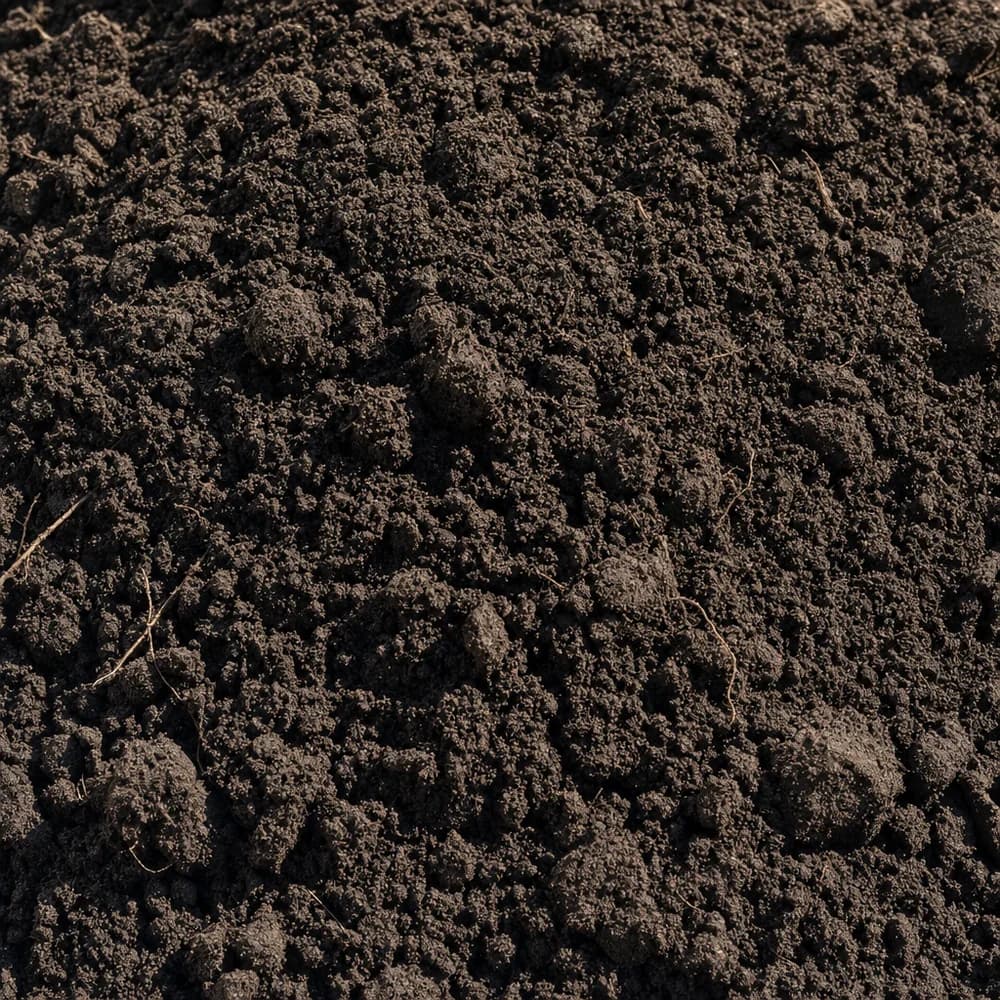
Dark, crumbly, and visibly full of compost
Break open a load and the difference from a screened soil is obvious before you touch it. The color is darker, the texture is open and crumbly rather than dense, and the composted organic material is visible through it. Squeezed in a hand it holds together loosely and falls apart again when prodded, which is the behavior a root wants: enough structure to hold moisture, enough air space to grow through.
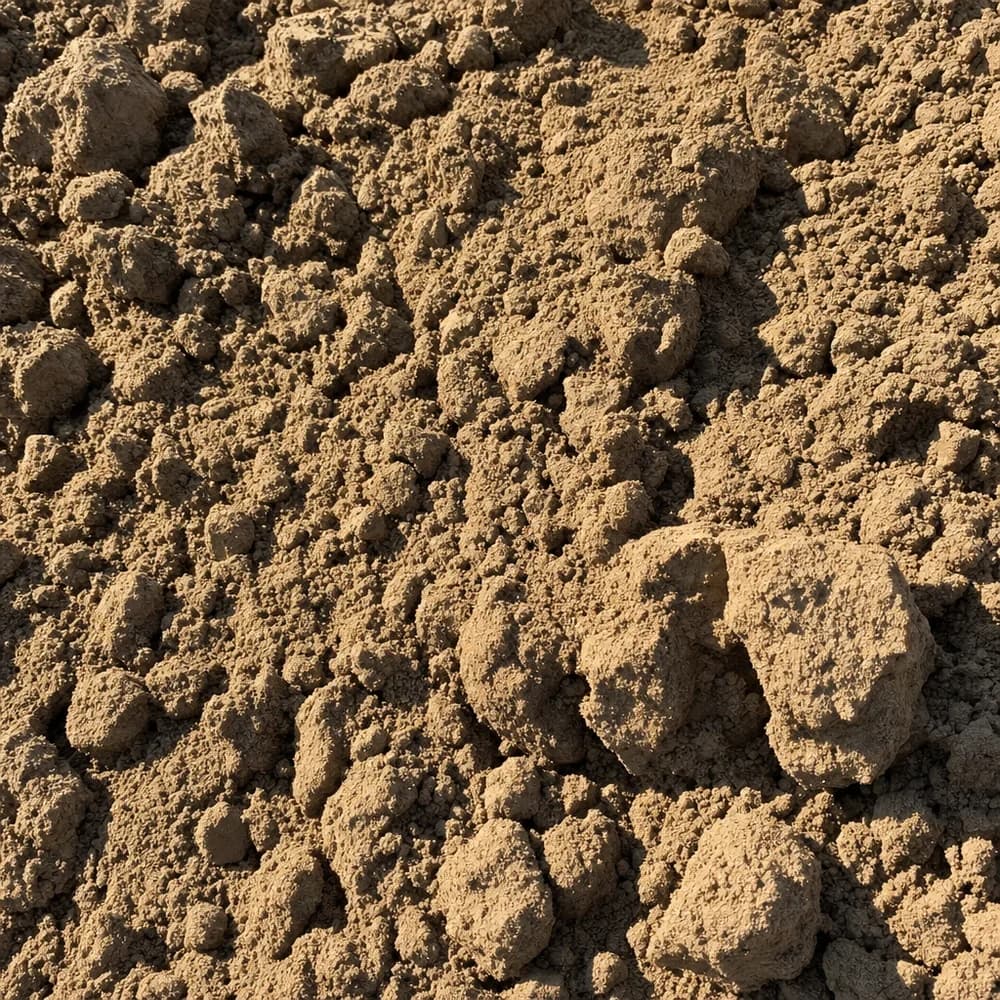
That open texture is also why it is lighter than the other soils on the site. A cubic yard of this blend weighs in the region of 2,000 lb against about 2,200 lb for screened top soil and about 2,400 lb for dry fill dirt. You feel that difference on a shovel all afternoon.
Raised boxes, new borders and a tired vegetable plot
Filling a raised bed is the job it is built for. A timber or steel box has no subsoil to draw on, so whatever goes in is the entire root zone, and a blend that arrives with compost already through it saves buying and mixing amendments separately.
New ornamental borders are the second use, particularly over the heavy clay common in the Coast Range valleys and the southern inland basins, where a border built up proud of the surrounding grade drains far better than one dug into a hole in clay.
The third is renewal. A vegetable plot that has cropped for several seasons runs down, and 2 to 3 inches of fresh blend worked into the top of the existing soil puts organic material back where the roots are. Spread it, fork it into the top few inches rather than leaving a distinct layer, and plant into the mix.
Two jobs it should never be bought for
A playground surface is the first. Soil compacts under running feet, it holds water after a storm, and it is mud for half the wet season. Play areas want a loose, free-draining material such as Pea Gravel, or a wood product where a cushioning surface is being specified.
An RV or boat parking pad is the second, and it fails faster. This blend is deliberately rich in organic material, organic material breaks down and loses volume, and anything parked on it sinks unevenly as it goes. Parking areas want compacted aggregate: Class 2 Base with a running course over it, or 3/4" Crushed Stone on a prepared subgrade. Use grade-building material for grade, and keep this for growing.
Twelve inches in a box, two to three inches over a bed
Depth follows the crop and the container. A raised box for vegetables normally wants at least 12 inches of blend, since most annual crops root in the top foot and a shallow box dries out through a long summer. Deep-rooted crops and perennials do better in 18 inches or more, which is usually achieved by building the box deeper rather than mounding the soil.
Over an existing bed, 2 to 3 inches is a top-up rather than a new profile, and it should be worked into what is already there. And allow for settling in both cases. A compost blend loses volume as the organic fraction breaks down, most noticeably in the first season, so fill a new box an inch or two proud of the rail and expect to top it up the following year.
Three 4 by 8 beds and a border refresh, at about a ton to the yard
As an example, take three raised beds, each 4 by 8 feet, filled 12 inches deep. Each bed is 32 square feet, and at a foot deep that is 32 cubic feet, so the three come to 96 cubic feet. Divided by 27 that is 3.6 cubic yards.
Add a border refresh over 120 square feet at 2 inches: 120 x 0.167 is 20 cubic feet, or 0.7 of a cubic yard. The total is about 4.3 cubic yards. This site publishes around 2,000 lb per cubic yard for a blended garden soil, which is 1 ton per yard, so the arithmetic is unusually easy here: roughly 4.3 tons. The soil calculator will rerun it if your boxes are a different size.
Top soil underneath, mulch on top, and choosing a date
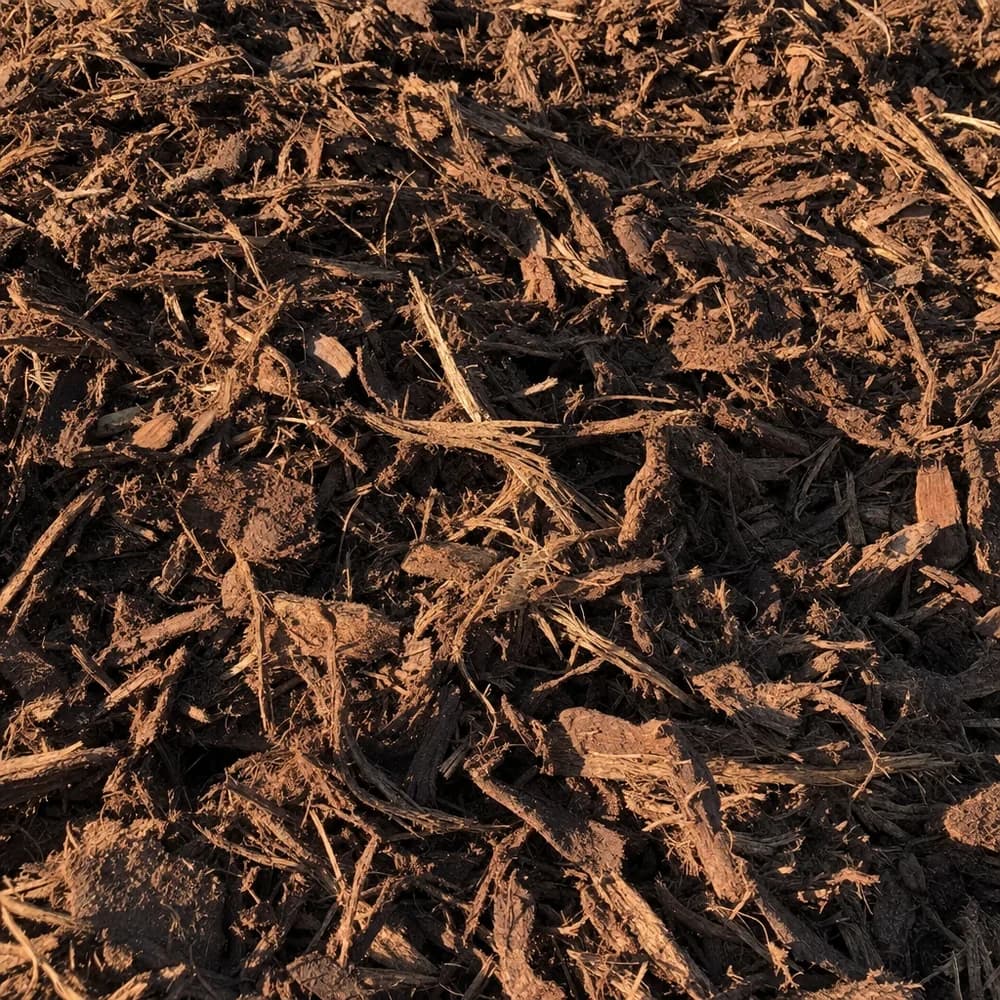
On deep boxes, a common approach is to fill the lower portion with Top Soil and keep the blended material for the top foot where the roots actually are, which uses the richer material where it earns its place. Above ground level, a layer of Shredded Mulch over the finished bed slows evaporation through the dry months, which matters more here than almost anywhere in the planting calendar.
Quantity and a delivery date are both set here on the product page, with delivery arranged at checkout from your ZIP code. Soil is tipped rather than placed, so have the boxes built and the beds edged before the load arrives, and pick a firm, level drop spot with clear overhead space and a tarp under it if the pile has to wait. If the beds are behind a gate the wheelbarrow has to negotiate, work out the route before the date rather than on the day.
Quickly Calculate How Much You Need
Material: Garden Soil
How to Measure
Measure the length and width of your project area in feet
Decide on depth in inches (2" for landscaping, 4" for driveways)
Enter the values above and we'll calculate the tonnage you need
Need help figuring out the right amount? We can help!
Call or text us at (213) 566-1318 and we'll help you calculate the right quantity for your project.
Not sure how much you need? The Soil Calculator has depth guides, coverage charts and worked examples for this material.
Frequently Asked Questions About Garden Soil
Customer Reviews
Got garden soil from California Rock Supply and ordering was painless. They kept me updated the whole time, and I'm really happy with how it all went.
Angela C. · San Francisco, CA · Verified Buyer
Decided on garden soil from them, delivery came exactly when expected and I'd definitely order again and recommend them.
Megan W. · Fresno, CA · Verified Buyer
Decided on garden soil from this company and the ordering was no fuss. Delivery showed up when expected, and the garden soil looked great. Really happy with how easy the whole thing was.
Sandra M. · Long Beach, CA · Verified Buyer
Got garden soil from this company, and it was exactly what I needed. Delivery was easy, the garden soil looked great, and I'd definitely order again.
Kim F. · San Jose, CA · Verified Buyer
Garden Soil has 4 verified customer reviews with an average rating of 5 out of 5.
Garden Soil delivery across California
- Los Angeles
- San Diego
- San Jose
- San Francisco
- Fresno
- Sacramento
- Long Beach
- Oakland
- Bakersfield
- Anaheim
- Stockton
- Riverside