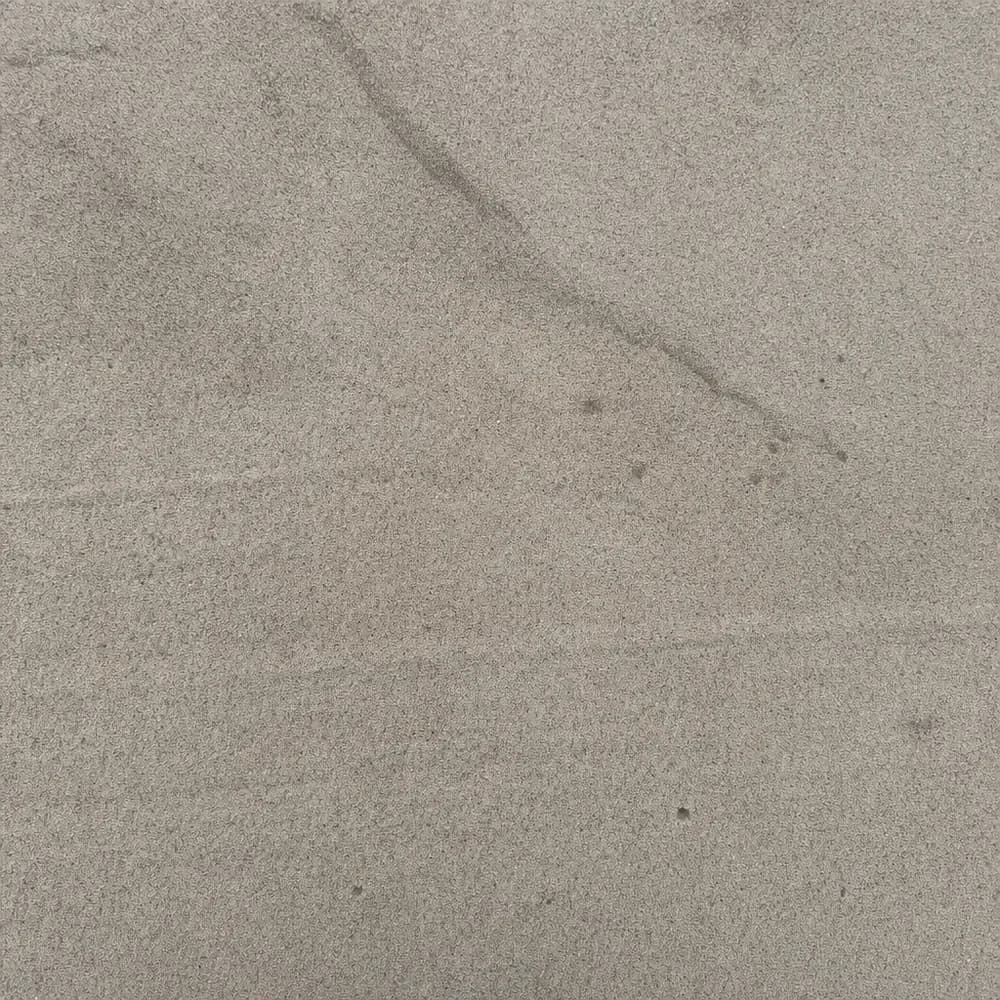
Washed Sand for Paver Beds, Bedding and Concrete Work
For California concrete and site work, Washed Sand keeps a clean, uniform look where backfill or leveling material must stay separate from surrounding soil.
- Size: Coarse-grained
- Grading: Washed; free of clay, silt and organic debris
From $689 for 1 ton, delivery included (larger loads cost significantly less per ton)
Free delivery included
Free delivery anywhere in California
Pick a delivery date
Weekday delivery, earliest Oct 29
“Had washed sand delivered by the team, it showed up on the day they promised and I'd definitely order again.”
Mark S. · Verified Buyer
Get a Free Quote
Fill out the form and our sales team will get back to you within the hour.
Size and Grading
- Size
- Coarse-grained
- Grading
- Washed; free of clay, silt and organic debris
Sand work has a season here, and it is not set by temperature. A screeded bed has to stay where it is screeded, and coarse sand that has taken a winter storm behaves nothing like the same material dry: it clumps ahead of the screed rail, it holds a shape it should not hold, and it will not compact evenly under a paver. That is why paver, bedding and concrete work sits in the long dry run from late spring into fall, and why washed sand deliveries cluster ahead of the rains.
When in the year should a paver bed actually go down?
Any time the ground and the material are both dry enough to work, which in most of the state means somewhere between late spring and the first serious storm. The base underneath is the real constraint: clay across the Coast Range valleys, the valley floor and the southern inland basins goes soft after a storm and stays soft, and a compacted base laid into soft ground is not compacted at all.
There is also a drying question. Sand that sat under rain before it was spread carries water that has to leave before the surface behaves predictably, so a pile tipped between two storms is worth covering. Work the dry months and the material cooperates.
Is washed sand the same as the mason sand on this site?
No, and the difference is grain size rather than cleanliness. Both are washed, so clay, silt and organic material have been taken out of both. This one is coarse-grained, which is what a bedding course and a concrete mix want, because coarse particles lock against each other under compaction and do not migrate as easily. Mason Sand is the finer material, which is what mortar, joints and a soft play surface want.
Read the spec you are working to before choosing. Many paver details call for a coarse bedding sand, and a fine sand in that layer can wash out through the joints and leave a hollow. Where a job asks for a fine, smooth sand, the mason sand is the product.
How thick should the bedding layer be, and what goes underneath it?
Thin and even. A bedding course is a leveling layer, not a base, and its whole purpose is to let each paver seat into a consistent plane. Around an inch, screeded to a rail and left uncompacted until the pavers are laid, is the usual approach. Deeper is not better: a thick sand bed compresses unevenly under traffic and the paving follows it down.
Everything structural happens below. A compacted Class 2 Base course carries the load, and its thickness is set by what will cross the paving. On soft or wet ground, a geotextile between subgrade and base keeps soil from working up into the stone. Where the ground is genuinely poor, the honest fix is more base, not more sand.
Will it hold up in a dry creek bed or under a fire pit surround?
In a dry creek, no. Concentrated storm flow moves loose sand first and hardest, and a channel bedded in sand silts the gaps and scours at the bends within one wet season. Channel bottoms want stone heavy enough to stay put, which is what River Cobble and Large River Rock are for.
Around a fire pit the answer is more useful. Where the surround is paved, this is the bedding course under those pavers exactly as it would be on a patio, and it behaves the same way. What it should not be is the visible surface: loose sand holds ash, leaves and grit, it tracks indoors on shoes, and it does not stay level where chairs are dragged. Materials and clearances immediately around a fire feature are set by the design and by local requirements, which sit outside this page.
How many tons does a 16 by 20 patio take, and an L-shaped return?
As an example, a rectangular patio of 16 by 20 feet is 320 square feet. A 1 inch bedding course is 320 x 0.0833, or 26.7 cubic feet, and divided by 27 that is 1 cubic yard almost exactly. This site publishes about 2,700 lb per cubic yard for washed sand, which is 1.35 tons per yard, so the bed takes roughly 1.4 tons.
Add an L-shaped return of 8 by 10 feet, another 80 square feet, and the total area becomes 400 square feet. At the same inch that is 33.3 cubic feet, or 1.2 cubic yards, which comes to about 1.7 tons. Break any awkward shape into rectangles like that, add the square footages, then take the depth through once at the end. The sand calculator runs the same arithmetic if you would rather check it than do it.
What does a sand load need from the drop spot?
More thought than a stone load, because sand is the one material the weather can spoil before you use it. Tip it on something firm and clean, ideally a drive or a tarp rather than bare soil, since sand tipped onto dirt picks up the fines that washing removed. Keep it covered if there is any chance of rain between delivery and use, and keep it away from the line of a downspout.
Quantity and a delivery date are chosen here on the product page, and delivery is arranged at checkout from your ZIP code. The truck needs firm, level ground and clear overhead space at the dump spot. If the only tipping area is a narrow side return or a shared drive, sort that out through the contact page before the date is fixed.
Quickly Calculate How Much You Need
Material: Washed Sand
How to Measure
Measure the length and width of your project area in feet
Decide on depth in inches (2" for landscaping, 4" for driveways)
Enter the values above and we'll calculate the tonnage you need
Need help figuring out the right amount? We can help!
Call or text us at (213) 566-1318 and we'll help you calculate the right quantity for your project.
Not sure how much you need? The Sand Calculator has depth guides, coverage charts and worked examples for this material.
Frequently Asked Questions About Washed Sand
Customer Reviews
Ordered washed sand from California Rock Supply and they kept me updated the whole time. Delivery was smooth, and I'm really happy with how everything turned out.
Angela P. · Sacramento, CA · Verified Buyer
Grabbed washed sand from these guys and the whole order was super simple. The driver was friendly and really careful about where he dropped it. I'm happy with how it all turned out and would order again.
Frank H. · Los Angeles, CA · Verified Buyer
Had washed sand delivered by the team, it showed up on the day they promised and I'd definitely order again.
Mark S. · San Diego, CA · Verified Buyer
Went with California Rock Supply for washed sand, and ordering was quick and easy. Delivery went smoothly and the washed sand was exactly what I needed.
Nicole P. · Los Angeles, CA · Verified Buyer
Washed Sand has 4 verified customer reviews with an average rating of 5 out of 5.
Washed Sand delivery across California
- Los Angeles
- San Diego
- San Jose
- San Francisco
- Fresno
- Sacramento
- Long Beach
- Oakland
- Bakersfield
- Anaheim
- Stockton
- Riverside