RipRap for Creek Banks, Ditch Linings and Culvert Outlets
Put RipRap at the exposed edge of a California drainage feature when wet-season flow could cut into soil. The heavy stone protects that route.
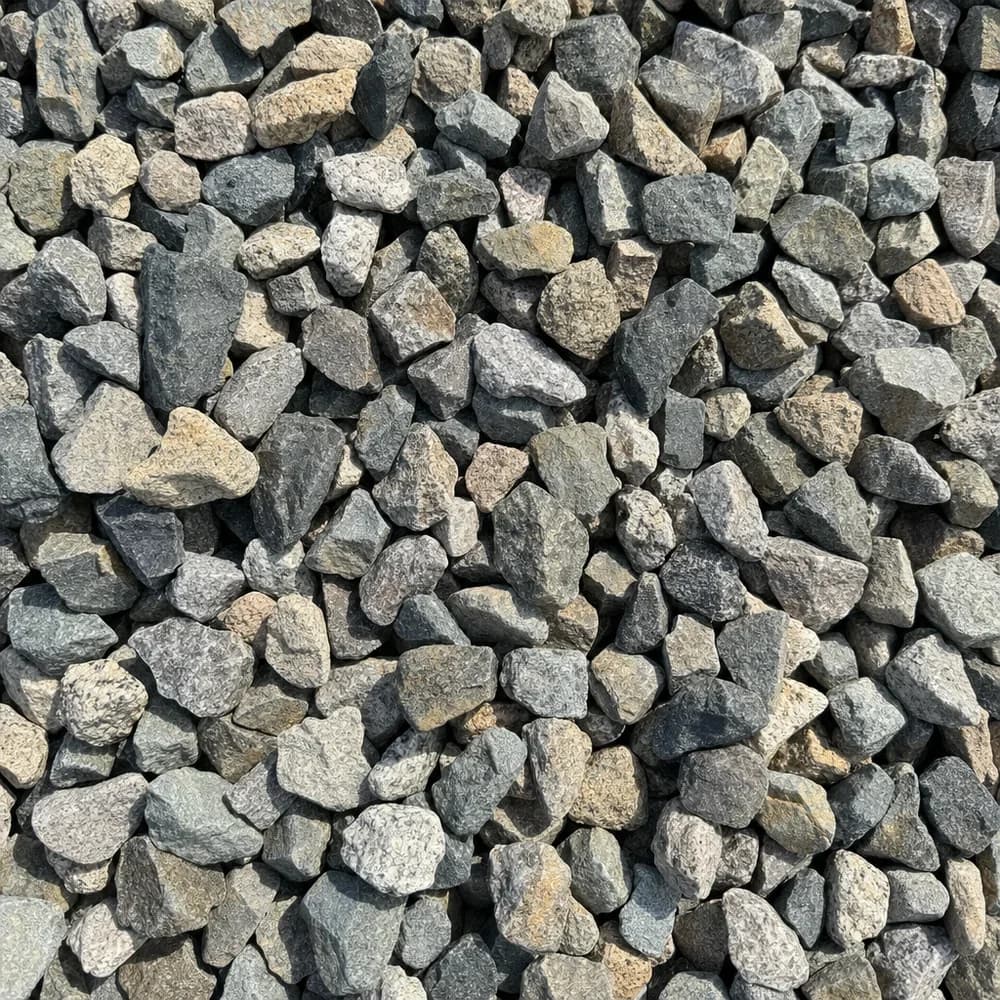
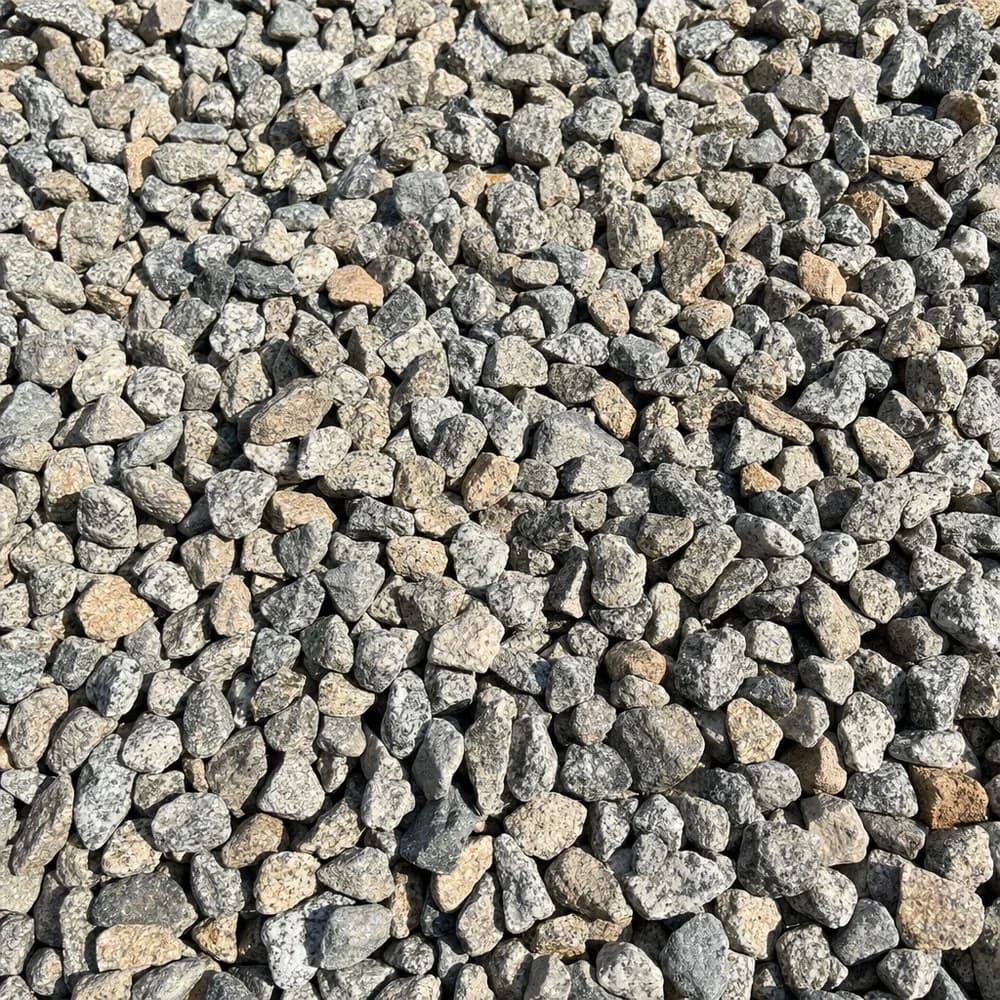
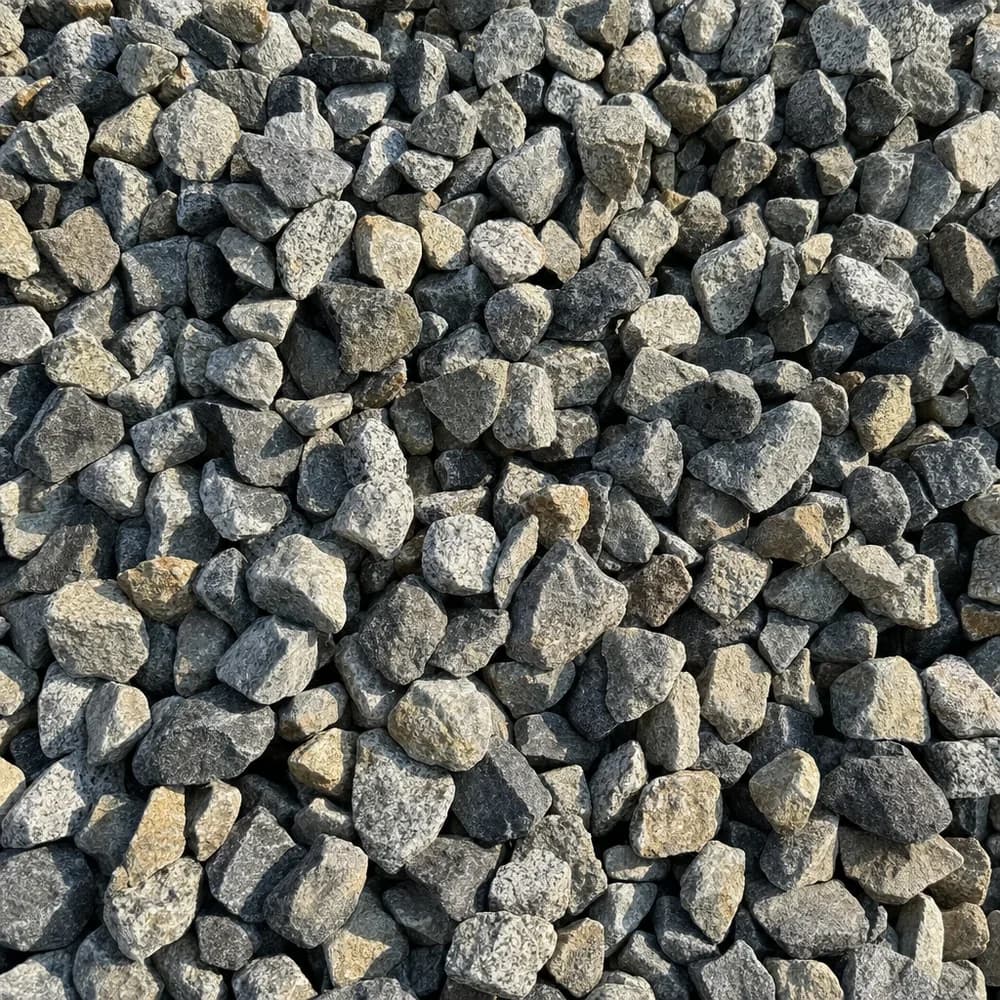
- Size: 4 inches to 12 inches and up
- Type: Large, heavy stone
From $482 for 1 ton, delivery included (larger loads cost significantly less per ton)
Free delivery included
Free delivery anywhere in California
Pick a delivery date
Weekday delivery, earliest Oct 29
“Decided on riprap from them, and I'm really happy with it because delivery got here on time and everything was easy.”
Karen K. · Verified Buyer
Get a Free Quote
Fill out the form and our sales team will get back to you within the hour.
Size and Grading
- Size
- 4 inches to 12 inches and up
- Type
- Large, heavy stone
Almost every order starts with a photograph of something that has already gone. A notch cut into the ground behind a culvert outlet. A fence line leaning further toward the creek than it did last year. A ditch bank that lost part of its toe in one December storm and took a section of the lane shoulder with it. Rain here arrives in a few large events rather than steadily, so erosion does not creep; it happens over a weekend, and the stone gets bought afterwards.
The washed-out culvert outlet that starts most riprap orders
The job this material is bought for more than any other is the point where concentrated water meets bare ground. A pipe under a rural lane discharges at speed during a storm, the flow lands on soil, and it excavates a hole that works its way back under the pipe. The same thing happens at the outfall of a driveway culvert, at the lip of a swale where it drops into a channel, and along a creek bank on the outside of a bend where the current does the cutting.
The material is large, heavy stone, running from 4 inches up through 12 inches and larger. Its job is simply to be too heavy for the water to move, so that flow spends its energy on rock instead of on soil. Locally, placed rock on a slope is often called rock slope protection, or RSP, and you will hear that term from contractors and county staff. Keep the stone on the water's actual path. Scattering it across the rest of the slope looks like work but protects nothing.
What the first big storm does to stone set on clay
On the heavy clay found through the Coast Range valleys, the flood basins and many inland hills, the ground softens and swells as it takes water. Stone laid straight onto that surface presses in, the soil squeezes up between the pieces, and the layer loses its interlock. On sandy coastal and desert ground, the failure is different: water works beneath the rock and carries fine material out from underneath, and the stone settles into the void it made.
Both are solved underneath rather than on top. A separation layer of geotextile, or a bedding course of smaller angular stone such as #4 Crushed Stone or 3/4" Drain Rock, keeps the soil where it is while still letting water through. Build the stone into the toe of a bank rather than starting it partway up, since an undercut toe brings everything above it down. One caution: where a slope has burned, the first intense rain can produce a debris flow, an event of a different order. That is a question for an engineer and the county, not for a load of rock.
Placing 4 to 12 inch stone by hand and by machine
Small repairs get done by hand, and people do it all the time. A stone in the 4 to 6 inch range is liftable; one at the top of the range is not, and a 12 inch piece will end a day's work early if it lands wrong. A mini excavator or a tractor with a bucket changes the job entirely, and on a steep bank it is worth the rental.
Place the pieces rather than tipping them. Set the largest stone at the toe, work upward, and turn each one so its flattest face beds down and it keys against its neighbors, filling the gaps with smaller pieces as you go. A layer that is placed rather than dumped resists being picked apart at the edges, which is where failure usually starts. Finish the top and side edges into undisturbed ground or bury them slightly, so flowing water cannot get behind the armor and work along its back.
Weighed against cobble and against the crushed stone people try first
Two materials get ordered by mistake for this job. Large River Rock looks similar from the road and is far more attractive, but it is rounded, so it rolls and re-sorts itself under flow instead of keying together. It suits a dry creek bed that carries water occasionally and is mainly there to be looked at. Where the water runs hard and often, angular stone holds and rounded stone travels.
The second is crushed stone in the 3/4 inch range. It is the right material for drainage and for drive surfacing, and it is hopeless as armor, because a storm can move it easily. If you find yourself replacing the same stone every winter, the size is the problem rather than the quantity.
Sizing the stone for a 60 foot ditch bank on a rural lane
Take a rural lane with a ditch alongside it, where a 60 foot stretch of bank keeps sloughing. Measure the slope face rather than the ground plan: if the face is about 6 feet from toe to top, that is 60 x 6, or 360 square feet. A 12 inch layer works out at 360 cubic feet, which divided by 27 is 13.3 cubic yards. The apron below the culvert at the end of that run, say 10 feet by 8 feet at 18 inches thick, adds 80 x 1.5, or 120 cubic feet, which is 4.4 cubic yards. This site publishes about 3,100 lb per cubic yard for rip rap, roughly 1.55 tons per yard, so the bank is approximately 20.6 tons and the apron about 6.8, near 27 tons for the two together.
Stone is sold by the ton, so the rip rap calculator converts that volume with the density held for this material. Choose a quantity and a delivery date on this page, with delivery arranged at checkout from your ZIP code, and tell us through the contact form if the only approach is a narrow lane, because heavy stone needs somewhere firm and reachable to be tipped.
Why a garden path and a new lawn edge want something else
Both come up, and both end badly. A garden path made of 4 inch and larger stone is an ankle hazard and cannot be walked comfortably; Walkway Gravel or a compacted decomposed granite surface is what that job wants. Around new lawn prep, a rim of heavy rock gets in the way of every future mowing pass and traps clippings. Save the armor for the places where moving water is doing damage, and use softer materials where feet and mowers go.
Quickly Calculate How Much You Need
Material: RipRap
How to Measure
Measure the length and width of your project area in feet
Decide on depth in inches (2" for landscaping, 4" for driveways)
Enter the values above and we'll calculate the tonnage you need
Need help figuring out the right amount? We can help!
Call or text us at (213) 566-1318 and we'll help you calculate the right quantity for your project.
Not sure how much you need? The Rip Rap Calculator has depth guides, coverage charts and worked examples for this material.
Frequently Asked Questions About RipRap
Customer Reviews
Had riprap delivered by California Rock Supply and the whole thing was super easy. The free delivery was a huge plus, and I'm really happy with how it turned out.
Angela W. · Los Angeles, CA · Verified Buyer
Got riprap delivered by this company and it was exactly what I needed. The driver was friendly and really careful about where he placed it, which made the whole thing easy.
Sandra T. · Sacramento, CA · Verified Buyer
Ordered riprap from this company, got free delivery, and the driver was friendly and really careful about where he placed it.
Ashley S. · Los Angeles, CA · Verified Buyer
Had riprap delivered by these guys and the whole thing was easy from the start. Ordering was quick, and the pricing felt fair for what I got. Really happy with the delivery and would use them again.
Ashley R. · San Francisco, CA · Verified Buyer
Decided on riprap from them, and I'm really happy with it because delivery got here on time and everything was easy.
Karen K. · Los Angeles, CA · Verified Buyer
RipRap has 5 verified customer reviews with an average rating of 5 out of 5.