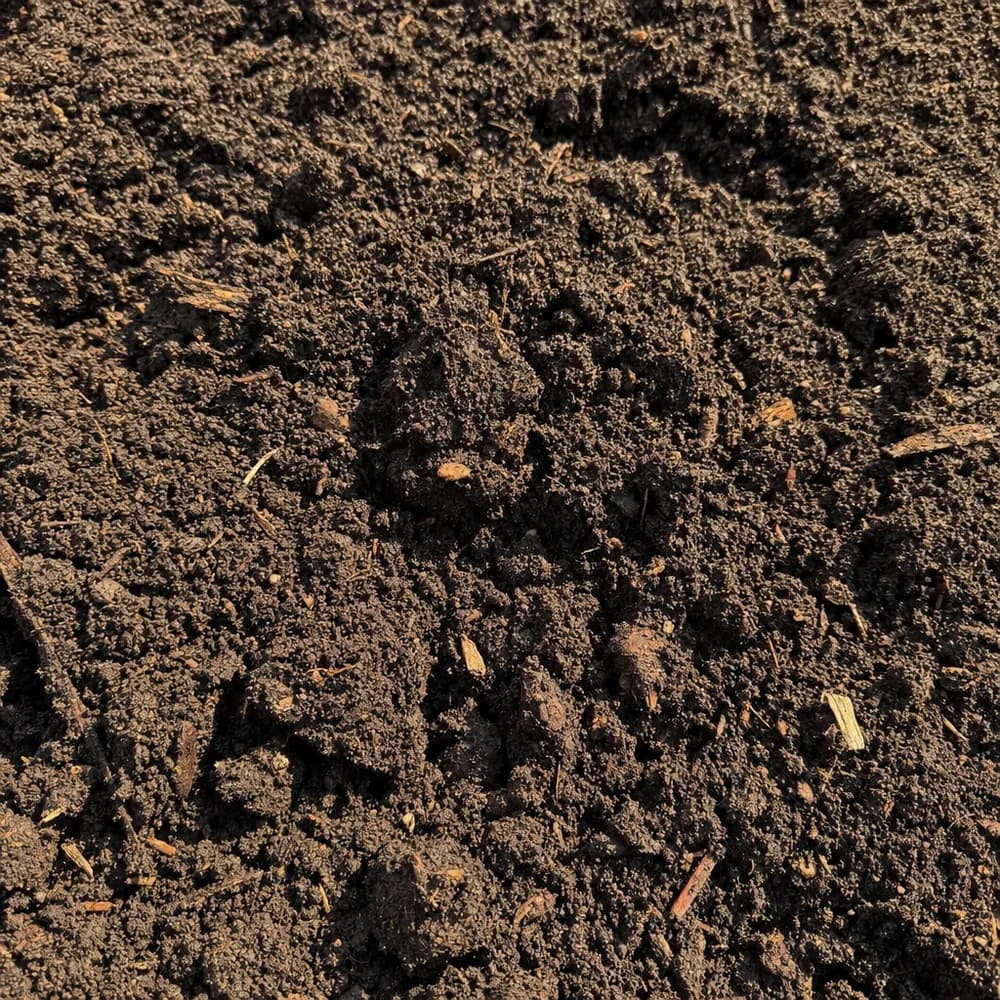
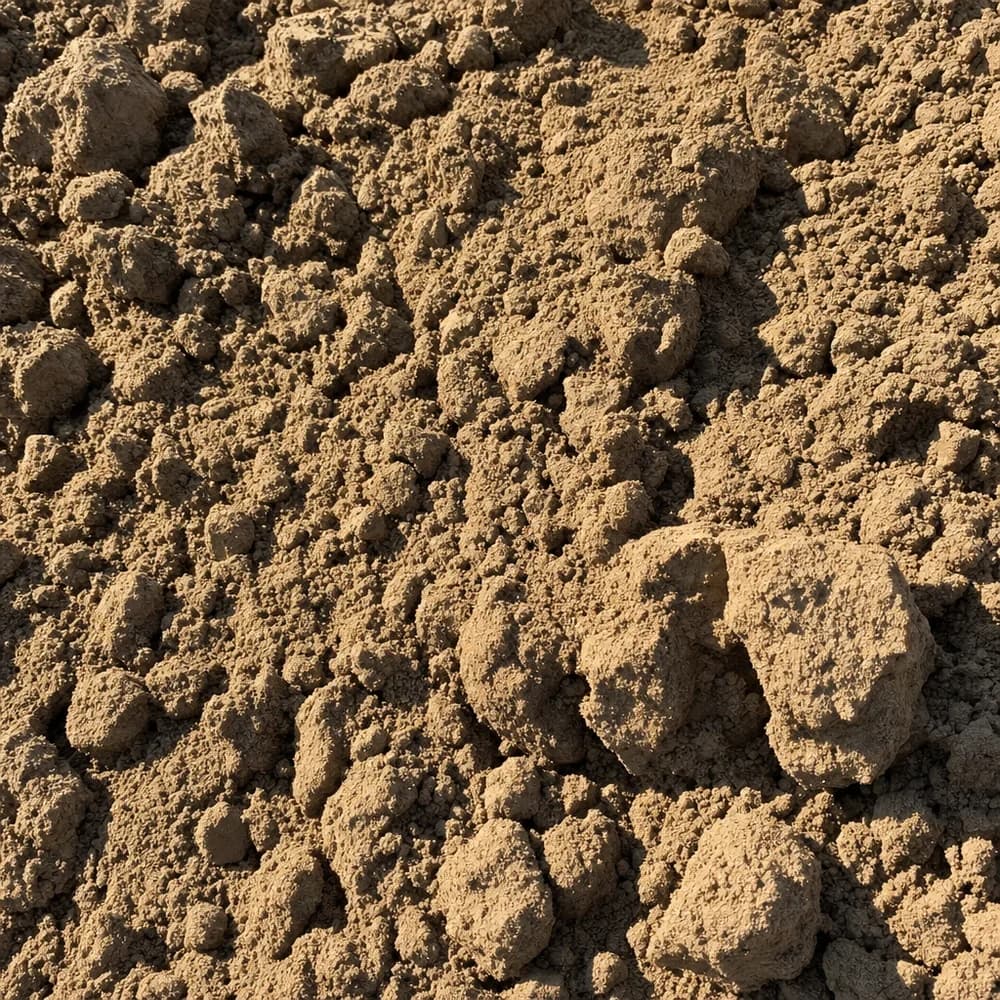
Screened Top Soil for Lawns, Beds and Regrading
Where California ground needs a finished planting surface, Top Soil brings a smooth texture to new landscape areas, beds, and lawns.
- Size: Screened; free of rocks, debris and large clumps
- Grading: Balanced sand, silt and clay
From $433 for 1 ton, delivery included (larger loads cost significantly less per ton)
Free delivery included
Free delivery anywhere in California
Pick a delivery date
Weekday delivery, earliest Oct 29
“Got top soil from the team, fair price, good value, and I'd definitely order again and recommend them.”
Maria H. · Verified Buyer
Get a Free Quote
Fill out the form and our sales team will get back to you within the hour.
Size and Grading
- Size
- Screened; free of rocks, debris and large clumps
- Grading
- Balanced sand, silt and clay
The order usually gets placed after the seed fails. A crew parked on the back yard all summer, the surface went hard as a road, someone raked it flat and sowed grass into it, and the first winter storms produced puddles and a thin green fringe around the edges. Nothing was wrong with the seed. There was simply nothing for a root to grow into. Screened top soil is what gets bought to give that yard a workable layer again.
The compacted, construction-scarred yard this soil rescues
Ground that has been driven on, scraped during a build or baked through a long dry season is not soil in any useful sense: it is a surface. Roots cannot push into it, water cannot soak in, and fertiliser sits on top and runs off in the first storm. The product here is screened free of rocks, debris and large clumps, with a balanced structure of sand, silt and clay, which is what lets it hold moisture for a plant while still letting water pass. Spread over prepared ground, it gives grass, shrubs and beds a consistent layer to start in and a surface you can rake level without fighting stones.
It is worth being clear about what it does not do. A layer of soil over a compacted, sealed surface is still a layer over a compacted, sealed surface. Break the ground up first with a fork, a rotary tiller or a rented machine, and blend the top of the native material into the bottom of the new layer so roots have somewhere to go rather than stopping at a hard line.
How the layer behaves over clay, hardpan and coastal sand
Heavy clay through the Coast Range valleys, the flood basins and many Southern California hills swells when wet and cracks apart when dry. Soil laid over it drains only as fast as the clay beneath allows, so a bed built proud of the surrounding grade and shaped to shed water will do far better than one sunk into a bowl. Where a cemented hardpan sits a few feet down across parts of the Central Valley, water arriving in a handful of winter storms has nowhere to go once it reaches that layer. Planting areas there need somewhere to send surplus water before the soil goes on.
Sandy ground along the coast and in the desert has the opposite problem. Water disappears, and so does anything dissolved in it. A deeper layer of screened soil with organic matter worked in holds more between irrigations, which matters through a dry season that runs from late spring into fall.
Getting it down before the first storms
Time the work for the end of the dry season if you can, when the ground is firm enough to carry a wheelbarrow and there is still warmth for establishment. Loosen the existing surface, take out the debris, then spread and rake the new layer to the finished grade you want, keeping a fall away from the house and any structure. Lawn areas are typically given 2 to 4 inches, enough for grass roots to take hold. Beds get more. Trees and shrubs do better with the soil blended into the native material in the planting area than with a pure pocket of imported soil, which roots tend to circle inside rather than leave.
Expect settlement. Freshly spread soil drops as it takes its first real watering, so finish slightly high on anything you want level, and walk it lightly rather than rolling it hard.
Three places people put it where it will not stay
A xeriscape or rock garden bed is the first. Those plantings want lean, fast-draining ground, and a rich layer under a stone mulch holds water around crowns that are adapted to going dry. Improve the native soil instead and let River Cobble or Decomposed Granite do the surface work.
A shed or garage pad base is the second, and it is the expensive mistake. Soil compresses, holds water and moves with the seasons, so a structure set on it will not stay level. That pad wants Fill Dirt to raise the grade and a compacted Class 2 Base course under the slab.
A downspout splash area is the third. Water leaving a roof in a storm arrives fast and concentrated, and it will cut a channel through loose soil within one season. Stone at the splash point, with the soil starting beyond it, is what survives.
Keeping the layer alive through a long dry summer
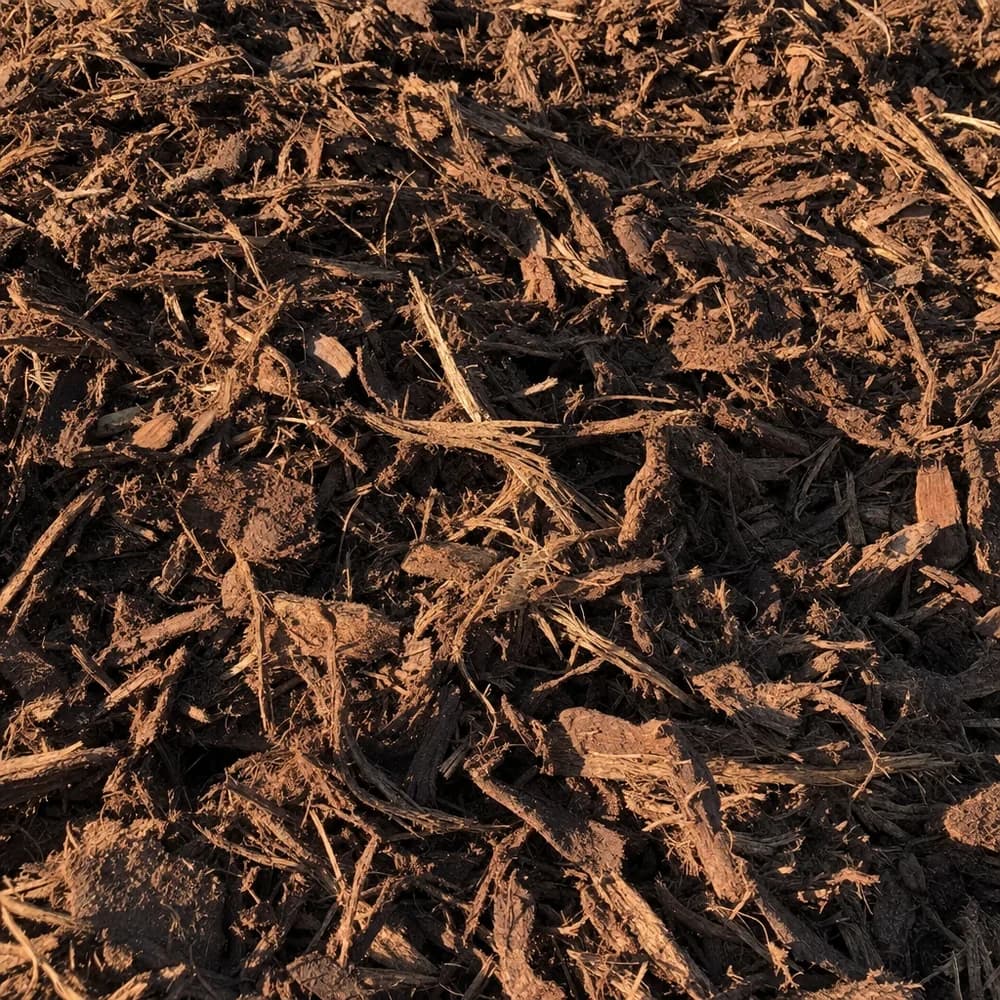
Bare soil in this climate crusts, cracks and blows. A mulch layer over beds is what keeps it workable: Shredded Mulch holds moisture through the dry months and breaks down into the soil, so it is worth topping up rather than replacing wholesale. On lawns, an annual thin top dressing and aeration does more for a tired surface than another full rebuild. In beds that are being planted heavily, Garden Soil is the richer option to work in alongside it.
Yardage for a 40 by 25 back lawn and a 12 foot bed
A back lawn footprint 40 feet by 25 feet is 1,000 square feet. At 3 inches, that is 1,000 x 0.25, or 250 cubic feet, which divided by 27 gives 9.3 cubic yards. Go to 4 inches and the same area needs 1,000 x 0.333, or 333 cubic feet, which is 12.3 cubic yards. A single raised bed 12 feet by 4 feet filled 6 inches deep is 48 x 0.5, or 24 cubic feet, which is 0.9 of a cubic yard. This site publishes about 2,200 lb per cubic yard for screened top soil, roughly 1.1 tons per yard, so the lawn at 3 inches is approximately 10.2 tons, the same lawn at 4 inches about 13.5 tons, and the raised bed just under a ton.
Order by the ton, with the topsoil calculator turning that volume into a weight using the density held for this material. Pick a quantity and a date on this page, and delivery is arranged at checkout from your ZIP code. Leave the truck a firm, level place to tip where a wheelbarrow can reach the yard, because soil dropped on the wrong side of a gate is a long afternoon.
Quickly Calculate How Much You Need
Material: Top Soil
How to Measure
Measure the length and width of your project area in feet
Decide on depth in inches (2" for landscaping, 4" for driveways)
Enter the values above and we'll calculate the tonnage you need
Need help figuring out the right amount? We can help!
Call or text us at (213) 566-1318 and we'll help you calculate the right quantity for your project.
Not sure how much you need? The Topsoil Calculator has depth guides, coverage charts and worked examples for this material.
Frequently Asked Questions About Top Soil
Customer Reviews
Got top soil from California Rock Supply and the delivery arrived right on schedule. The driver was friendly and careful about where he placed it, super happy with the whole thing.
Ryan F. · San Diego, CA · Verified Buyer
Decided on them for top soil, and the delivery showed up on the day they promised. The top soil was top notch, super happy with how it all turned out.
Steve J. · San Francisco, CA · Verified Buyer
Went with this company for top soil, ordering was quick and everything showed up right on time.
Amanda B. · San Francisco, CA · Verified Buyer
Got top soil from the team, fair price, good value, and I'd definitely order again and recommend them.
Maria H. · Long Beach, CA · Verified Buyer
Top Soil has 4 verified customer reviews with an average rating of 5 out of 5.