Sand Calculator for Pool Bases, Sandboxes and Lawn Blends
Enter your project dimensions
The decision that sets a sand order is not how big the area is. It is what the sand has to do once it is down, because the depths involved run from a quarter of an inch under a lawn to six inches in a play box, a twenty-fold spread that no other material on this site asks for. Get the job named first, take the depth from that, and the sand calculator turns the rest into cubic yards and tons. The questions below are the ones that come up in roughly this order.
Am I on the right page, or is this a paver bedding job?
If pavers are going on top, the bedding course is a fixed one-inch screeded layer and the compacted rock under the sand is a separate order, so the paver sand tool is the one that keeps those two straight. This page is for sand used on its own: under a pool liner, in a play box, blended into a lawn, or going into mortar and site-mixed concrete.
What do I measure for a round pool ring or a side yard?
Rectangle takes a length and a width in feet. Circle takes a diameter, which is exactly how an above-ground pool, a fire pit surround or a round planting basin should go in rather than being squared off. Multiple areas totals up to five separate pieces, which suits a play box and a strip beside it, as long as every piece is going in at the same depth. Where two depths are involved, run the tool twice and add the results yourself.
Measure across the ground rather than off a drawing. On the kind of sloping side yard common on hillside lots, a tape laid down the slope reads longer than the same distance on a plan, and the sand has to cover the real surface.
Half an inch on a lawn, six inches in a play box: which depth is mine?
Under an above-ground pool, two inches of mason sand, screeded dead level, with anything stony kept well away from the liner. In a play box, six inches of washed sand. For leveling a lawn, a quarter to half an inch of sand blended with soil, never sand on its own: laid straight over the clay found through so much of the state, a pure sand layer makes a boundary that roots stop at, which is the opposite of the intended effect. For mortar and site-mixed concrete, the quantity comes from the mix rather than a depth, so work to the ratio your mix design calls for rather than to an area.
Depth is entered in inches, anywhere from 0.25 to 24, so a half-inch lawn blend and a six-inch box are both inside the range.
Why does the sand calculator show tons for a layer measured in inches?
Because sand is sold by weight. Volume comes first: area in square feet, multiplied by the depth in inches and divided by 12 for cubic feet, then divided by 27 for cubic yards. Both sands published on this site weigh about 2,700 lb per cubic yard when dry, which is 1.35 tons a yard, so the conversion is the same whichever one you select. A yard spread an inch deep covers around 324 square feet, at two inches around 162, and at six inches around 54.
A pile that has sat through a storm weighs noticeably more per shovel than the same pile did dry. That changes the work, not the order. Volume is what the hole takes, so a tarp over the pile in the wet season is worth the five minutes it costs.
Should the five percent box stay ticked on a screeded layer?
For a play box or a leveling blend, leave it on. It covers what the wheelbarrow spills and what disappears into the ground at the edges. For a screeded pool base, the more useful margin is at the tape: round the diameter up to the next foot and screed the surplus out rather than ordering thin and having the last arc come up short. Under pavers, extra bedding sand is a defect rather than a buffer, which is another reason that job belongs on its own page.
Three worked jobs with the arithmetic shown
Illustrations, not real orders.
A 10 by 6 foot play box at six inches. Sixty square feet: 60 x 6 / 12 = 30 cubic feet, which is 30 / 27 = 1.11 cubic yards, or 1.50 tons at 1.35 tons a yard.
A 24-foot round pool base at two inches. A 24-foot circle is 452.4 square feet: 452.4 x 2 / 12 = 75.4 cubic feet, which is 2.79 cubic yards and 3.77 tons.
A 400 square foot lawn blend at half an inch. 400 x 0.5 / 12 = 16.7 cubic feet, which is 0.62 cubic yards and 0.83 tons, and that is the sand half of a blend rather than the whole topdressing.
For scale against shelf bags: a 50 lb bag holds about half a cubic foot, so it takes something over fifty of them to make the cubic yard that the play box above needs.
Mason sand or washed sand for the job in front of me?
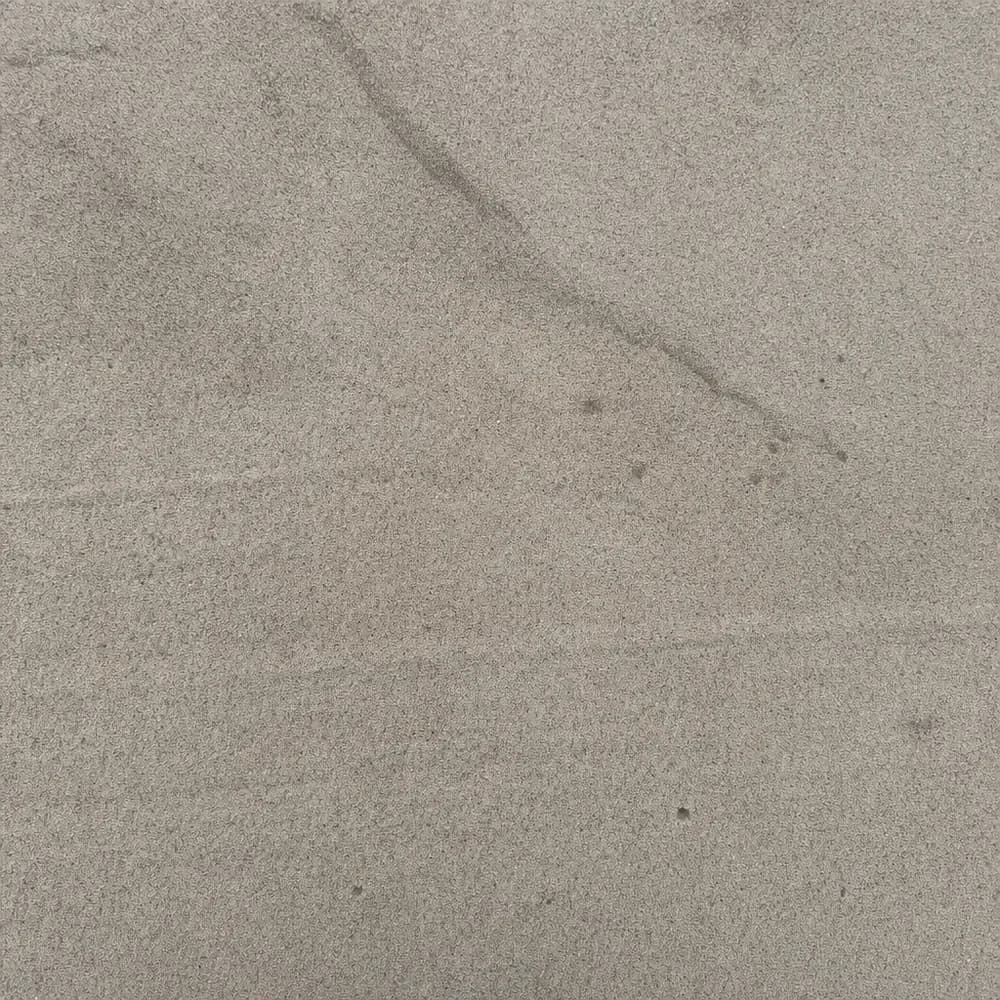
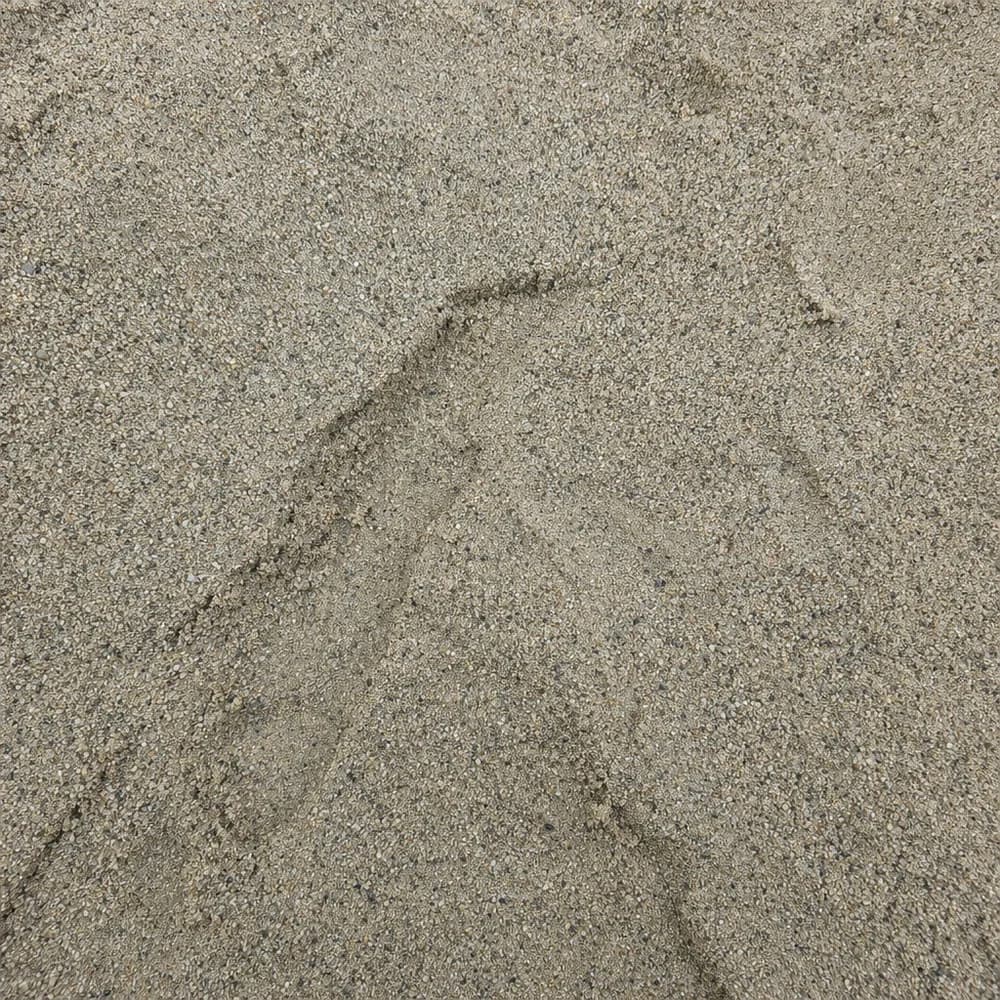
Mason Sand is the more tightly screened of the two, with an even fine grain, which is why it is specified for mortar, for paver joints and under pool liners where every small stone telegraphs through. Washed Sand has been rinsed to take the clay and silt out, which suits bedding, play boxes and general mixes, and it is the coarser choice for concrete. They weigh the same per yard, so the tonnage on your screen does not change when you switch between them; only the finish does.
Once the figure is settled, choose a quantity and a date on the product page. Delivery is arranged at checkout by ZIP code, and how bulk loads are scheduled covers the access the truck needs; sand wants a firm, well-drained spot, ideally on a tarp and within a short wheelbarrow run of the work. Soil for the beds around it and every material tool on the site cover the rest of the project.
Common questions
Can I check the tonnage on paper before I order?
Multiply the area in square feet by the depth in inches, divide by 12 for cubic feet, divide by 27 for cubic yards, then multiply by 1.35 for tons. A 12 by 12 foot area at 3 inches is 36 cubic feet, so 1.33 cubic yards and 1.80 tons.
The same two inches came out heavier when I switched material. Why?
Each product carries its own weight per yard, so the volume stays put while the tonnage moves. Sand sits at about 2,700 lb a yard, while graded rock with fines in it runs nearer 3,000 lb because the fines fill the spaces between the larger pieces.
Is five percent enough of a margin for a pool base that has to come out level?
It covers spillage rather than measuring error. On a screeded job, round the diameter up a foot and plan to screed the surplus off, which is easier than sourcing a quarter ton to finish an arc.
The side yard falls about a foot across its width. Do I measure the slope or the flat?
The surface the sand will actually lie on, measured with the tape following the ground. A plan dimension understates a sloping surface, and on a slope steep enough to notice, sand will also want an edge to hold it.
A play box and a path beside it are going in the same afternoon. One calculation or two?
Two, because they need different depths. Multiple areas adds up to five pieces, but a single depth applies to all of them, so group pieces by depth and add the results together yourself.
Related calculators
Two sands, one free truck.
Mason and washed sand by the ton, delivered free across California.